Introduction
For decades, the humble brown paper bag has been a staple in grocery stores and school lunches. However, viewing it as just a disposable container is a mistake. Today, this simple item represents a massive shift in global sustainability, brand marketing, and industrial engineering. It solves the "plastic problem" while offering structural benefits many modern synthetics cannot match.
In this guide, we explore why the brown paper bag is a sophisticated tool for businesses and consumers. We will look at its Kraft fiber origins, its Eco friendly lifecycle, and how its Heavy duty construction supports more weight than you might expect. If you think a bag is just a bag, prepare to see this everyday object through an expert lens.
The Engineering Behind the Kraft Brown Paper Bag
A brown paper bag isn't just thin wood pulp. Most high-quality bags use the Kraft process. This chemical method turns wood into wood pulp consisting of almost pure cellulose fibers. These fibers are long and strong, giving the material its signature "toughness."
Unlike white paper, Kraft paper skips the intensive bleaching process. This preserves the natural strength of the wood fibers. It also makes the final product more Eco friendly because fewer chemicals enter the water system. When you hold a Heavy duty brown paper bag, you feel the texture of these interlocking fibers. They provide the burst resistance needed to carry heavy groceries or hardware without tearing.
Why Strength Varies
The weight of the paper, measured in GSM (Grams per Square Meter), determines its use. A standard grocery brown paper bag usually sits between 60 to 100 GSM. Industrial versions used for cement or flour can go much higher. This mechanical reliability is why it remains a preferred choice for businesses that value functional integrity over flashy, fragile synthetics.
Eco Friendly Advantages: Beyond the "Plastic vs. Paper" Debate
The shift toward a Recycled brown paper bag isn't just a trend. It is a response to the urgent need for circular economies. Plastic bags can take up to 1,000 years to decompose. In contrast, a paper version is biodegradable and compostable.
They break down in weeks, not centuries. Furthermore, many modern bags are made from Recycled content, reducing the need to harvest virgin timber. This makes the brown paper bag a cornerstone of sustainable retail. Using them signals to customers that your brand cares about the planet.
| Feature | Plastic Bag | Brown Paper Bag |
| Biodegradability | Non-existent | High (3-6 weeks) |
| Carbon Footprint | Low per unit | Moderate (offset by recycling) |
| Recycled Content | Rare/Difficult | Very Common |
| Marine Life Impact | High Danger | Low Danger |
We must also consider "end-of-life." A plastic bag often ends up in an ocean or a landfill. A Reusable brown paper bag can be folded and kept for multiple trips, then eventually put in the backyard compost bin or the curbside recycling.
The Functional Utility of the Flat Bottom Design
The Flat bottom feature is a masterclass in structural design. It transformed the brown paper bag from a simple sleeve into a self-standing container. This design solves a major problem for retailers: efficiency at the point of sale.
Improving User Experience
When a bag can stand on its own, the packer can use both hands to load items. It prevents fragile items like eggs or glass bottles from tipping over. This Flat bottom architecture also allows for "block-bottom" stacking in warehouses, maximizing space.
Versatility in Catering
For the food industry, a Flat bottom brown paper bag is essential. It keeps take-out containers level, preventing spills. It also allows for the easy insertion of cardboard inserts to further reinforce the base for Heavy duty loads. It's a simple geometric solution that adds massive value to the user experience.
Branding and the Aesthetic of the Kraft Brown Paper Bag
Why do high-end boutiques and artisanal bakeries love the brown paper bag? It’s about the "natural" aesthetic. The earthy tones of Kraft paper suggest authenticity and craftsmanship. In a world of shiny, over-processed plastics, the matte finish of paper feels premium and honest.
A Blank Canvas for Marketing
The surface of a brown paper bag is highly "printable." Unlike plastic, which requires special treatments for ink to stick, paper absorbs ink beautifully. Businesses use this to print Custom logos, QR codes, or brand stories. It turns every customer into a walking billboard.
The Psychology of Brown
Psychologically, the color brown evokes feelings of reliability, warmth, and earthiness. When a customer receives a Heavy duty brown paper bag, they feel the "heft" and quality. It creates a tactile connection between the buyer and the brand. It isn't just packaging; it's the first physical touchpoint of the brand's quality.
Heavy Duty Performance: When Strength Matters Most
Many people underestimate the load-bearing capacity of a brown paper bag. Thanks to advancements in Kraft paper manufacturing, these bags can now compete with plastic in terms of weight capacity.
Reinforcement Techniques
To make a bag truly Heavy duty, manufacturers use specific techniques:
Twisted Paper Handles: These are glued with high-strength adhesives to the interior walls, distributing weight evenly.
Reinforced Bases: Doubling the paper layer at the Flat bottom prevents sagging.
Side Gussets: These allow the bag to expand, accommodating bulky items without stressing the seams.
Industrial Applications
We see Heavy duty brown paper bag versions in construction and agriculture. They hold 50 lbs of seed or chemicals reliably. The porous nature of the paper also allows the contents to "breathe," which is vital for organic products that might spoil in airtight plastic.
From Grocery Stores to Luxury: The Scale of Versatility
The brown paper bag exists in a wide spectrum of types. Understanding these helps businesses choose the right one for their specific "problem."
Small Scale vs. Bulk Retail
For a pharmacy, a small Flat bottom bag is perfect for privacy and organization. For a grocery store, a giant Heavy duty sack is the standard. This versatility is why the brown paper bag has survived for over 150 years. It adapts to the size of the product it holds.
Creative Reusability
Consumers find the brown paper bag highly Reusable.
School Projects: They serve as book covers or art canvases.
Household Chores: They are excellent for ripening fruit (the paper traps ethylene gas).
Storage: Their rigid structure makes them great for organizing pantries or closets.
They aren't "single-use" unless the consumer chooses for them to be. Their life cycle often extends far beyond the initial walk from the store to the car.
The Future of the Brown Paper Bag: Innovation and Technology
The brown paper bag industry is not stagnant. We are seeing constant innovation to make them even more Eco friendly and functional.
Waterproofing without Plastic
One of the biggest hurdles for the brown paper bag was moisture. New bio-coatings are changing that. We now have Kraft bags that can resist rain or condensation from frozen foods without losing structural integrity. This makes them even more Reusable in damp climates.
Smart Packaging
Technological integration is the next step.
RFID Tags: Embedded in the Heavy duty layers for inventory tracking.
Smart Printing: Inks that change color if the contents (like food) get too warm.
Enhanced Recycled Content: Moving toward 100% post-consumer waste without sacrificing the Kraft strength.
Why Your Business Needs a Strategic Brown Paper Bag Choice
Choosing a brown paper bag is a strategic business decision. It affects your shipping costs, your brand perception, and your environmental footprint.
Cost-Benefit Analysis
While paper can be slightly more expensive than thin-film plastic, the "hidden" benefits often outweigh the cost. You avoid "plastic taxes" in many regions. You also gain customer loyalty from the growing demographic of eco-conscious shoppers.
Custom Solutions
A Custom brown paper bag allows you to tailor the size to your product, reducing wasted space. It ensures that the Flat bottom perfectly fits your containers, preventing damage during transit. It's an investment in your product's safety and your brand's reputation.
Conclusion
The brown paper bag is a marvel of simplicity and strength. From its Kraft beginnings to its Eco friendly impact, it serves as a bridge between tradition and modern sustainability. It provides a Heavy duty solution that is Recycled, Reusable, and aesthetically pleasing. As we move away from synthetic waste, this "simple packaging" will continue to lead the way in responsible retail.
FAQ
Are brown paper bags really better for the environment?
Yes. While they require more energy to produce initially, their ability to be Recycled and their quick biodegradability make them far superior to plastic in terms of long-term environmental impact.
Can a brown paper bag be reused?
Absolutely. High-quality Kraft bags are designed to be Reusable. Their Heavy duty nature allows them to be used for multiple grocery trips or as household storage.
What is the difference between Kraft paper and regular paper?
Kraft paper uses a specific chemical process that preserves wood fiber length. This makes it much stronger and more tear-resistant than standard white paper.
Our Manufacturing Power and B2B Strength
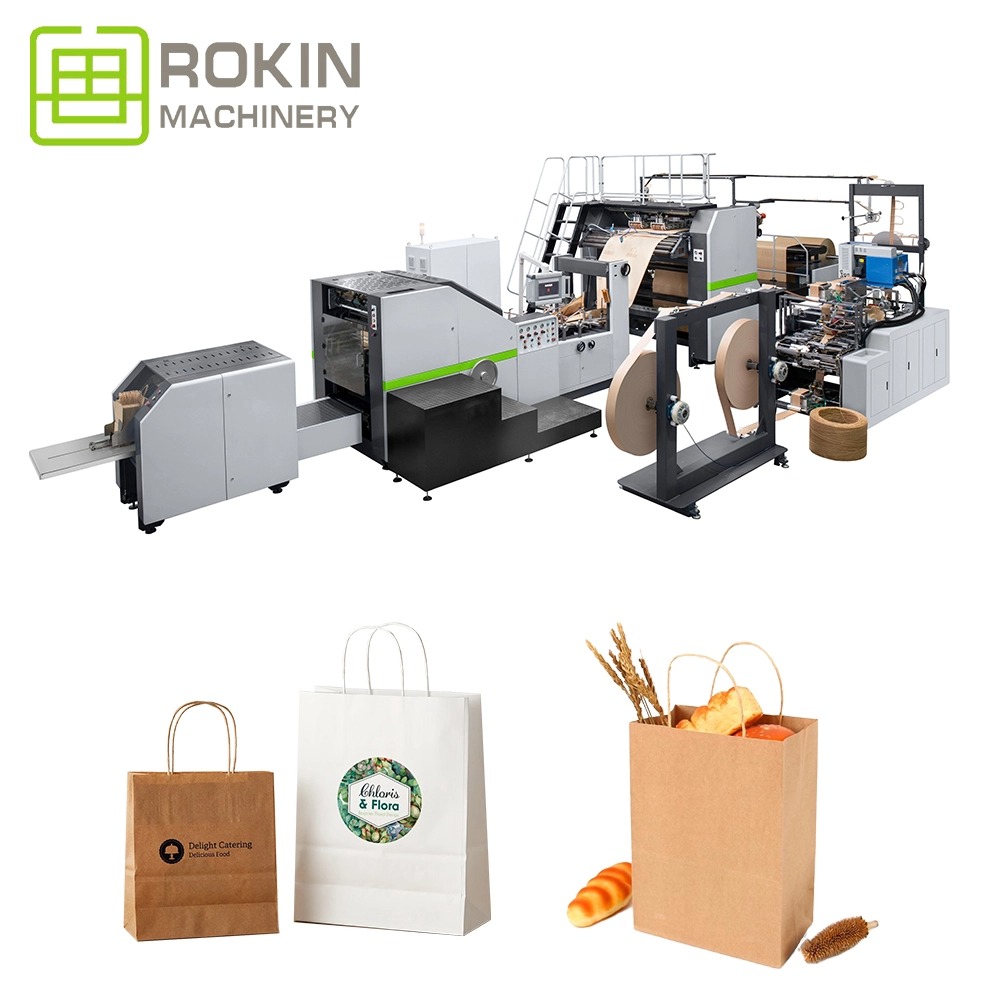
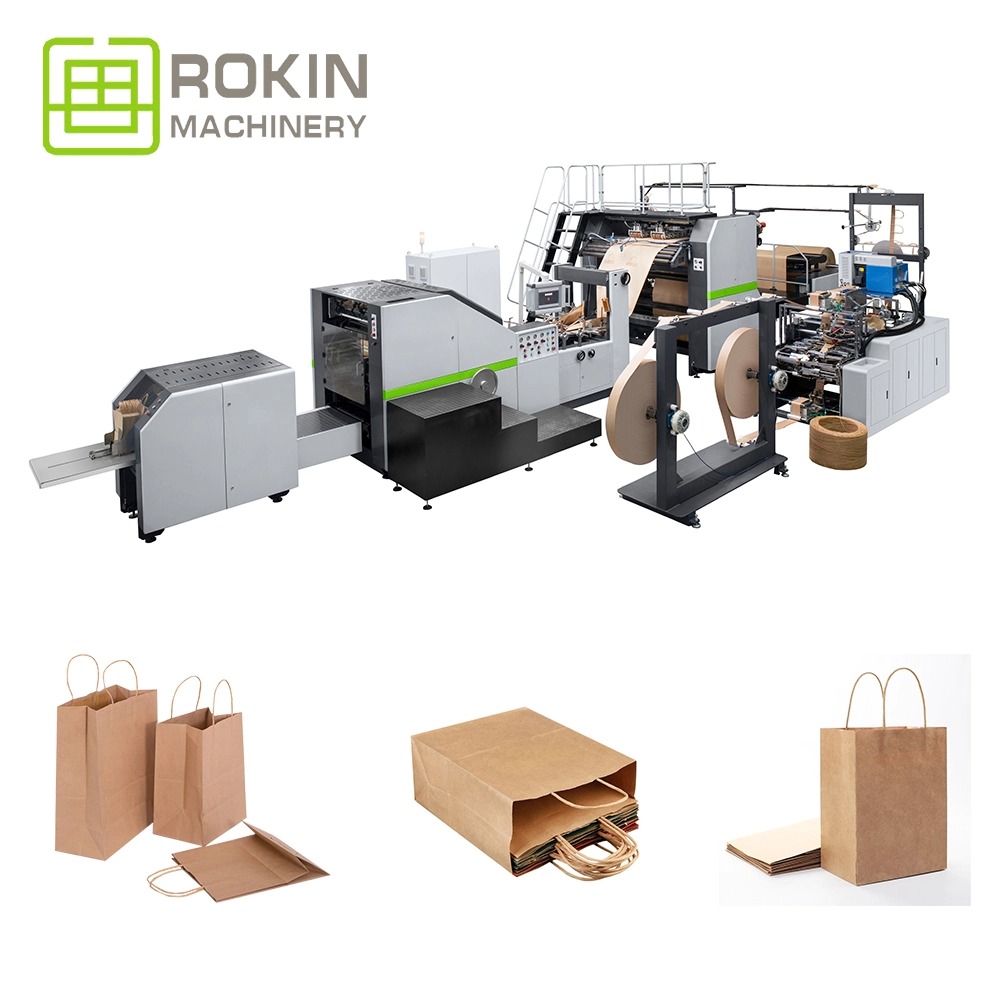
As a leader in the packaging machinery industry, we understand that the quality of a brown paper bag is only as good as the machine that creates it. Our factory is a hub of innovation, where we develop high-speed, fully automated Kraft paper bag machines that define industry standards. We don't just sell equipment; we provide total solutions for B2B clients looking to scale their production of Eco friendly packaging.
Our strength lies in our technical precision. We design machines that can produce Flat bottom bags with incredible consistency, ensuring that every unit is Heavy duty and ready for the market. By choosing our technology, companies gain the ability to produce Custom and Recycled bags at a lower cost per unit, enhancing their competitive edge. We are committed to driving the global transition toward sustainable packaging by empowering manufacturers with the world's most reliable and efficient bag-making technology.

