Can a cardboard slitting machine handle different cardboard thicknesses effectively? Understanding this capability is crucial for businesses in the packaging industry, as selecting the right machine can impact efficiency, cost, and production quality.
In this article, we'll explore how cardboard slitting machines work with various thicknesses, the key features to look for, and what to consider when choosing a machine for different material types.
Understanding Cardboard Slitting Machines
What is a Cardboard Slitting Machine?
A cardboard slitting machine is a device designed to cut large sheets of cardboard into smaller, precise pieces. These machines are essential in the packaging industry, ensuring that cardboard is cut accurately to meet specific product needs.
The primary function of a slitting machine is to take large rolls or sheets of cardboard and cut them into narrower strips or custom sizes. This process is crucial for creating packaging materials, such as boxes, dividers, and inserts, with high precision.
Types of Cardboard Slitting Machines
There are three main types of cardboard slitting machines: manual, semi-automatic, and fully automatic.
● Manual Models: These are operated by hand and are ideal for small-scale operations where cutting precision is less critical. They require the operator to adjust the machine and feed the cardboard manually.
● Semi-Automatic Models: These machines require some manual input but also feature automated systems for parts of the process. They are suitable for medium-scale production, balancing efficiency and flexibility.
● Fully Automatic Models: Fully automated slitting machines are best for high-volume production. They handle everything from feeding the cardboard to adjusting settings automatically, offering high speed and precision.
When it comes to cutting different thicknesses, fully automatic models are typically the best choice. They offer the flexibility to handle varying material thicknesses without compromising on precision, making them ideal for diverse packaging needs.
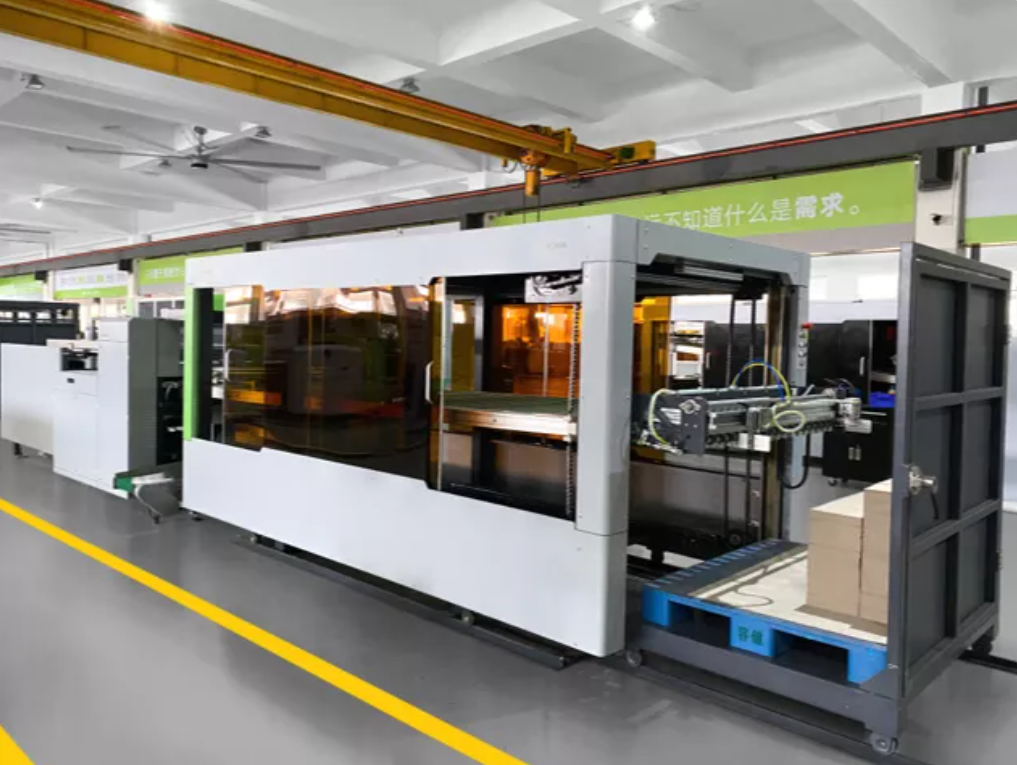
Can a Cardboard Slitting Machine Cut Different Thicknesses?
Cutting Capabilities for Different Thicknesses
Adjusting for Thickness Slitting machines are designed to accommodate different cardboard thicknesses by adjusting various settings. These machines feature adjustable blades, feed speeds, and cutting pressures, allowing operators to customize the cutting process based on the material's thickness. This ensures that both thin and thick materials are cut accurately.
Blade and Speed Considerations Blade sharpness and type play a crucial role when cutting varying thicknesses. Thicker cardboard requires sharper blades that can handle greater resistance. Additionally, the cutting speed must be adjusted: slower speeds are often used for thicker materials to ensure precision, while faster speeds work best for thinner materials.
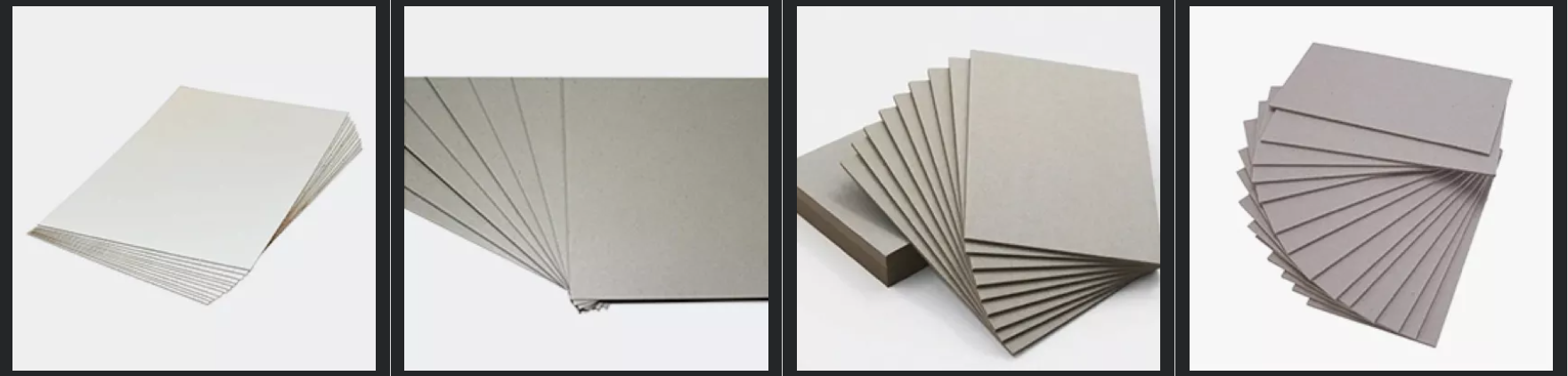
Material Types and Their Impact
Types of Cardboard Different types of cardboard, such as corrugated, coated, and paperboard, affect how slitting machines cut the material. For example, corrugated cardboard, with its layered structure, may require more force and specialized blades, while coated materials may need anti-stick blades to avoid material buildup.
Thicker Materials Thicker materials demand more powerful motors and specialized blades. These materials increase cutting resistance, so slitting machines must be equipped with robust motors that can handle the added force. Additionally, thicker cardboard requires a higher-quality cutting mechanism to ensure clean cuts without damaging the material.
Features to Look for in a Cardboard Slitting Machine That Cuts Different Thicknesses
Adjustable Blade Systems
Importance of Blade Adjustability Adjustable blades are crucial for cutting various thicknesses of cardboard. With adjustable blade settings, operators can fine-tune the machine to ensure the best cutting results for both thin and thick materials. This flexibility allows the same machine to handle different cardboard types and thicknesses, making it a versatile tool in the packaging industry.
Quick Change Modules Quick-change blade systems enhance the flexibility of a slitting machine by allowing rapid swapping of blades. This feature is especially important when switching between materials of different thicknesses. By reducing downtime, quick-change modules keep production running smoothly without compromising precision or efficiency.
Power and Motor Strength
Motor Specifications for Thicker Cardboard Thicker cardboard requires stronger motors to handle the increased resistance during cutting. A powerful motor ensures the slitting machine can maintain a consistent cutting speed without struggling when faced with thicker or denser materials. This is vital for preventing damage to both the machine and the material.
Impact of Motor Strength on Performance A stronger motor improves a slitting machine’s efficiency by allowing it to handle larger volumes of thicker materials with ease. It also helps maintain cutting precision, even during extended runs, which is crucial for ensuring consistent product quality. The motor’s strength ultimately affects both speed and the machine's overall lifespan.
Speed Control and Feed Rate
Adjustable Speed Variable speed control allows operators to adjust the machine’s cutting speed according to the thickness of the material being cut. Thicker materials generally require slower speeds to ensure precise cuts, while thinner materials can be processed more quickly. This feature helps optimize the cutting process for different thicknesses, increasing both efficiency and accuracy.
Feed Mechanism Adjustments The feed mechanism plays a significant role in how well a slitting machine handles different thicknesses. By adjusting the feed rate, operators can ensure smooth material flow, reducing the risk of jamming or misalignment. A well-calibrated feed mechanism ensures that the material moves at a consistent pace through the machine, producing accurate and high-quality cuts.
Common Challenges When Cutting Different Thicknesses with Slitting Machines
Uneven Cuts
Causes Uneven cuts can occur when slitting machines are not properly adjusted for different cardboard thicknesses. Thicker materials often require more power and slower speeds to ensure smooth, even cuts. Conversely, cutting thinner materials too quickly can lead to jagged edges or misalignment.
Solutions To prevent uneven cuts, regularly maintain and adjust the machine. Ensure the blades are sharp, and adjust the speed and pressure settings based on the material's thickness. Additionally, calibrating the machine for different thicknesses will help ensure consistent, smooth cuts.
Material Jamming and Feeding Issues
Feeding Challenges Thicker materials can cause feeding problems, such as jamming or inconsistent feeding. The added resistance when the cardboard moves through the machine may result in misalignment or cause the material to bunch up, leading to disruptions in the cutting process.
Fixing Feeding Problems To address feeding issues, ensure the machine’s feed mechanism is properly adjusted for thicker materials. Use stronger motors, and ensure the rollers or pneumatic systems are calibrated to handle the material smoothly. Regularly inspect and clean the feed mechanism to avoid obstructions and ensure smooth operation.
Blade Dullness and Wear
Impact of Blade Condition Dull or worn-out blades significantly impact cutting performance, especially when dealing with thicker cardboard. As blades lose sharpness, they struggle to slice through thicker materials cleanly, leading to rough or uneven cuts.
Maintenance and Blade Replacement Regular blade inspection is essential to maintain cutting performance. Blade replacement or sharpening should be scheduled based on usage frequency and material type. By keeping the blades in optimal condition, you can ensure smoother cuts and maintain machine efficiency.
How to Choose the Right Cardboard Slitting Machine for Different Thicknesses
Assessing Material and Production Requirements
Material Types When selecting a cardboard slitting machine, it's essential to consider the types of cardboard you typically use. Different materials, such as corrugated cardboard, paperboard, or coated cardboard, may require different cutting mechanisms. For example, corrugated cardboard often requires more robust motors and sharper blades due to its layered structure, while paperboard may require a lighter setup.
Production Volume The scale of your production will significantly influence the machine choice. If your business processes high volumes of material, a fully automatic machine is ideal, as it can handle thicker and larger amounts of cardboard quickly and efficiently. On the other hand, smaller-scale operations may benefit from semi-automatic or manual models that offer more flexibility without sacrificing precision.
Looking for Versatility and Customization
Customization Options It's crucial to select a machine that can be easily customized to handle a variety of thicknesses. Machines that allow for quick adjustments, such as changing blades or feed settings, provide flexibility to accommodate various materials. This feature ensures that your machine can adapt to different packaging needs, offering greater value as your business grows.
Adjustable Settings Machines with adjustable settings for thickness, speed, and blade depth are highly beneficial. These settings allow operators to fine-tune the machine for optimal performance, regardless of the material’s thickness. By adjusting these parameters, you can ensure clean cuts, reduce material waste, and maintain high-quality output for both thin and thick materials.
Benefits of Using a Cardboard Slitting Machine for Different Thicknesses
Increased Efficiency and Productivity
Time Savings The right slitting machine significantly boosts production speed. By automating the cutting process and reducing downtime, businesses can quickly process large volumes of cardboard, making operations faster and more efficient.
Reduced Labor Costs Automation in slitting machines reduces the need for manual labor, which leads to cost savings. Precision cutting ensures that workers spend less time adjusting or fixing errors, enabling them to focus on other essential tasks.
High-Quality Packaging
Precision in Cuts A high-quality slitting machine ensures clean, precise cuts, which is vital for maintaining the professional appearance of packaging. This precision enhances the structural integrity of the final product, ensuring that packaging is durable and attractive.
Reduced Waste Using the right slitting machine optimizes material usage, which reduces cardboard waste. Accurate cuts prevent excess material from being discarded, helping businesses save money and reduce their environmental footprint.
Flexibility in Packaging Solutions
Accommodating Various Product Types The ability to handle different thicknesses makes slitting machines versatile. They can accommodate various product types, such as fragile goods that require thicker packaging or lightweight products needing thinner material. This flexibility is crucial for businesses serving multiple industries.
Customization for Specific Needs Slitting machines that handle different thicknesses allow businesses to create custom packaging solutions tailored to their needs. Whether for unique product shapes or special protective features, a versatile machine ensures packaging meets specific design and functionality requirements.
Conclusion
When selecting a cardboard slitting machine, consider factors like adjustable blades, motor power, and speed control. These features ensure the machine can handle various thicknesses efficiently.
Choosing the right machine is crucial for optimizing production, reducing waste, and maintaining high-quality packaging. It helps businesses save costs and improve overall efficiency. ROKIN MACHINERY has years of experience in designing and manufacturing customized Cardboard Slitting Machine for a variety of industries . Therefore, feel free to contact us anytime with your inguiries.
FAQ
Q: Can a cardboard slitting machine cut cardboard of different thicknesses?
A: Yes, a cardboard slitting machine can handle various thicknesses by adjusting settings such as blade depth, cutting speed, and pressure. Proper adjustments ensure smooth cuts for both thinner and thicker materials.
Q: What factors should I consider when choosing a cardboard slitting machine for different thicknesses?
A: Consider the machine's blade adjustability, motor power, feed mechanisms, and speed control. These features ensure optimal performance when cutting materials of varying thicknesses.
Q: How do slitting machines handle thicker materials?
A: Thicker materials require more powerful motors and sharper, durable blades. Machines with adjustable settings and higher motor power can cut through thicker cardboard more efficiently.
Q: Can I use the same slitting machine for different types of cardboard?
A: Yes, but the machine should have adjustable settings to accommodate various cardboard types, like corrugated, coated, or paperboard. Different materials may require different blade types and settings for optimal results.

