Introduction
The packaging world is undergoing a seismic shift. As consumers demand greener solutions, the industry has turned its eyes toward one of the most reliable materials in history: kraft paper. Once relegated to simple grocery bags and industrial sacks, this material is now the backbone of modern, sustainable design. In 2026, utilizing kraft paper isn't just a choice—it's a strategic necessity for brands aiming to balance performance with planetary health.
The core appeal lies in the "Kraft process," which preserves long cellulose fibers, giving the paper its signature strength. Unlike traditional paper manufacturing, this method is more efficient and chemical-light, making the end product naturally Bio-degradable. Whether it's the rustic charm of unbleached brown grades or the clean canvas of White bleached varieties, the packaging industry is leveraging this material to solve the plastic crisis while maintaining the Heavy duty protection that global logistics demand.
The Multi-Industry Adoption of Kraft Paper Packaging
From luxury cosmetics to heavy industrial parts, kraft paper has become the universal language of responsible packaging. It serves as a versatile canvas that adapts to the specific needs of different sectors.
Food and Beverage Integration
In the food sector, the shift toward kraft paper is driven by both aesthetics and functionality. Consumers associate the earthy tones of unbleached paper with organic, "wholesome" products. However, the industry has moved beyond just "looks." Modern food-grade kraft paper is often treated to be Waterproof or grease-resistant, allowing it to hold everything from artisanal cheeses to oily fast-food favorites without compromising the package's integrity.
E-commerce and Retail Logistics
E-commerce giants have replaced plastic mailers with High GSM kraft envelopes. These are designed to be Heavy duty enough to resist punctures during transit while remaining lightweight to save on shipping costs. The ability to recycle these mailers at the curb makes them a favorite for modern shoppers who hate the "guilt" of plastic waste.
Industrial and Agricultural Sacks
For the most demanding jobs, the industry uses multi-wall kraft paper sacks. These are engineered for high tensile strength to hold cement, flour, or animal feed. Even in these rough environments, the move toward Eco friendly materials is evident as companies phase out plastic liners in favor of bio-based coatings.
| Industry | Primary Use Case | Key Attribute Needed |
| Food & Beverage | Takeout bags, dry food pouches | Waterproof / Grease-resistant |
| E-commerce | Shipping mailers, void fill | Heavy duty / Lightweight |
| Luxury Retail | Branded gift boxes | White bleached / Smooth finish |
| Industrial | Multi-wall sacks | High GSM / Tensile strength |
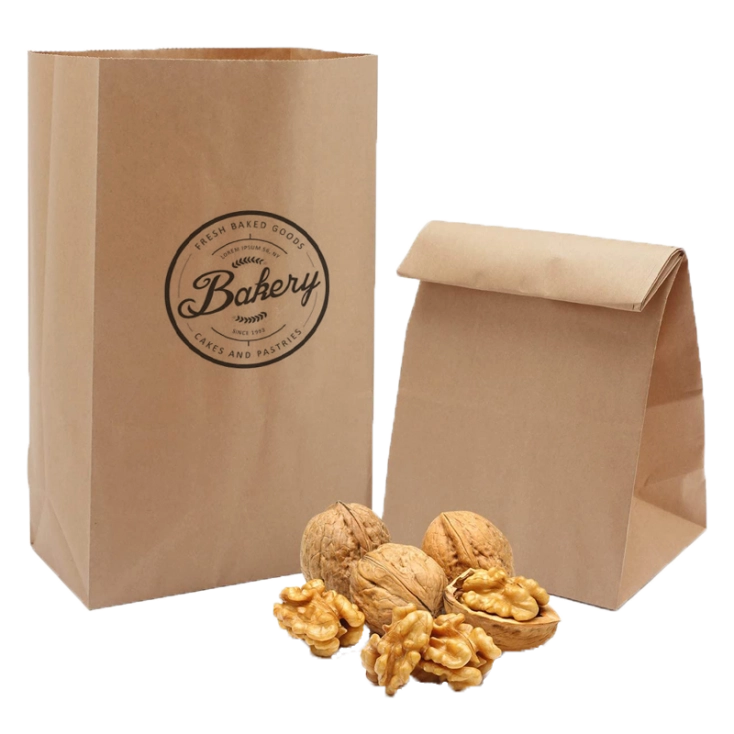
Engineering Strength: Why "High GSM" and "Heavy Duty" Matter
When we talk about the packaging industry's reliance on kraft paper, we are really talking about engineering. The industry doesn't just use "paper"; it uses precisely measured grades defined by their "Grams per Square Meter" (GSM).
Defining High GSM in Packaging
A higher GSM indicates a thicker, more robust material. In the world of shipping, High GSM kraft (typically above 120g) is essential. It provides the stiffness required for corrugated boxes and the puncture resistance needed for tool packaging. This density ensures that even a Bio-degradable material can protect fragile electronics or heavy hardware through thousands of miles of travel.
Heavy Duty Performance Without Plastic
By layering multiple plies of kraft paper, manufacturers create Heavy duty sacks that can carry over 50kg. These designs often incorporate "micro-creping," a process that gives the paper a slight stretch. This elasticity allows the bag to absorb the shock of being dropped—a common occurrence in construction and logistics—without bursting. This level of performance was once only possible with plastic, but kraft paper has proven it can do the job better while remaining Eco friendly.
The Aesthetic Revolution of White Bleached Kraft
While the natural brown look is synonymous with sustainability, the packaging industry frequently utilizes White bleached kraft for high-end branding. This version offers the strength of the kraft process but with a sophisticated, clean appearance.
Premium Branding and Printability
White bleached kraft is the gold standard for premium retail bags and cosmetic boxes. Its bright surface allows for high-fidelity printing, vibrant colors, and sharp logos that simply don't pop as well on brown paper. Brands use this to signal "luxury" while still maintaining their commitment to being Eco friendly.
Hygiene and Pharmaceutical Use
In medical and pharmaceutical packaging, White bleached paper is preferred because it highlights any contamination and looks sterile. It provides a clean backdrop for critical dosage instructions and safety warnings. Even though it has undergone a bleaching process, modern "Oxygen bleaching" methods ensure the paper remains Bio-degradable and safe for the environment, unlike older chlorine-based methods.
Sustainability as a Baseline: Eco Friendly and Bio-degradable
The most significant way the industry utilizes kraft paper is as a tool for "Circular Economy" goals. In 2026, sustainability is no longer a "nice to have"; it is the legal and social baseline for doing business.
Closing the Loop with Bio-degradability
Unlike plastic, which fragments into microplastics, kraft paper is truly Bio-degradable. In a composting environment, it can break down in just a few weeks. The industry leverages this by creating "Closed Loop" packaging for events and food festivals, where the packaging and the food waste can be processed together in industrial composters.
The Recyclability Advantage
Kraft paper fibers are long and strong, which means they can be recycled more times than standard office paper. The packaging industry utilizes this by creating "Recycled Kraft" grades. While these may have a slightly lower GSM or tensile strength than "Virgin Kraft," they are perfect for void fill, protective wrapping, and inner-box dividers. This saves trees and reduces the energy footprint of the entire supply chain.
Overcoming the Moisture Barrier: Waterproofing Kraft
The Achilles' heel of paper has always been water. However, the industry has developed ingenious ways to make kraft paper effectively Waterproof without ruining its Eco friendly status.
Bio-Polymer Coatings
Traditional "waterproofing" used to mean laminating paper with a thin layer of plastic (PE). While effective, this made the paper hard to recycle. Today, the industry uses bio-polymers derived from cornstarch or sugarcane. These coatings create a Waterproof barrier that protects the contents from rain and humidity but allows the paper to remain fully Bio-degradable in a landfill or compost pile.
Wax and Aqueous Treatments
Another method involves "Aqueous coatings," which are water-based and sink into the fibers to provide moisture resistance. This is common in the frozen food industry. It ensures that the kraft paper box doesn't turn into mush when it thaws. By utilizing these advanced treatments, the packaging industry has expanded the "use-case" of paper into environments that were once strictly plastic-only.
Emerging Trends: Smart Packaging and High-Tech Kraft
The final frontier of how the industry utilizes kraft paper involves integrating technology. We are moving toward a world where a simple paper bag does more than just hold items.
2D Barcodes and Interactive Design
With the global shift toward 2D barcodes (like QR codes) by 2027, kraft paper is becoming a digital touchpoint. Manufacturers are using high-quality White bleached surfaces to print complex codes that link to sustainability data, sourcing info, or even assembly videos. This turns a simple Eco friendly package into a powerful marketing and transparency tool.
Specialized Structural Designs
Engineers are now using CAD (Computer-Aided Design) to create structural folds in High GSM kraft that replace plastic foam inserts. By folding the paper into complex "origami" structures, they can suspend a laptop or a glass bottle in the center of a box, providing Heavy duty shock absorption using nothing but 100% Bio-degradable materials.
Conclusion
The packaging industry's utilization of kraft paper is a masterclass in modern innovation. By taking a centuries-old material and enhancing it with High GSM engineering, Waterproof bio-coatings, and White bleached finishes, they have created a material that satisfies both the CFO and the environmentalist. Whether it is a Heavy duty industrial sack or a delicate Eco friendly retail bag, kraft paper is the undisputed champion of the sustainable packaging revolution. As we move further into 2026 and beyond, it will continue to be the primary weapon against plastic pollution.
FAQ
Q1: Is kraft paper really better than plastic for the environment?
Yes. It is made from a renewable resource (trees), it is highly recyclable, and most importantly, it is Bio-degradable. If it escapes the recycling stream, it won't persist in the ocean for centuries like plastic does.
Q2: Can I use kraft paper for wet products?
By using specialized Waterproof or aqueous-coated kraft paper, you can safely package moisture-sensitive or even wet items. These coatings are designed to be Eco friendly while providing a strong barrier.
Q3: Is bleached kraft paper less sustainable than brown kraft paper?
While unbleached paper is the most natural, modern White bleached kraft uses oxygen-based bleaching. This is much safer than old chemical methods and still results in a Bio-degradable product.
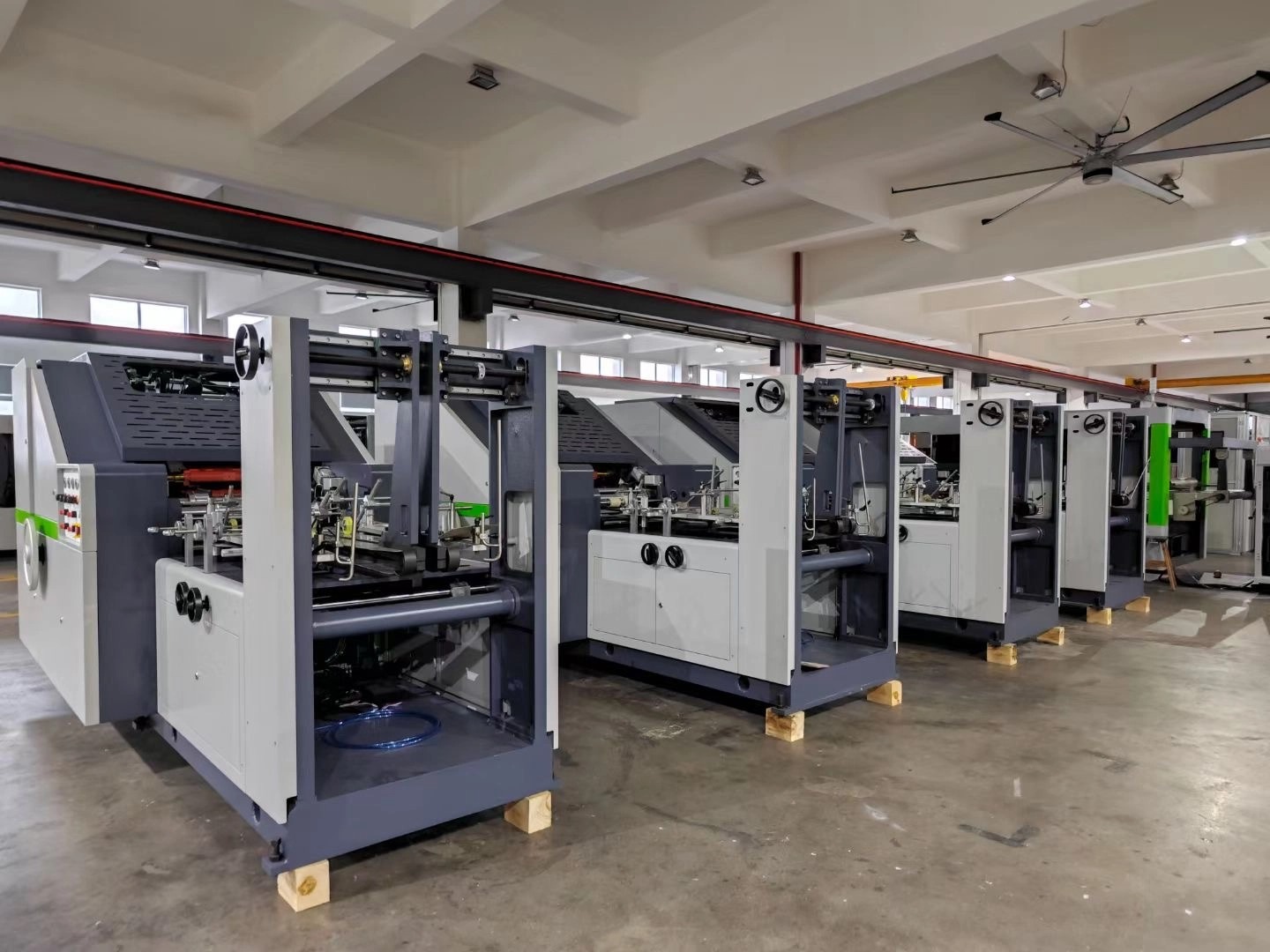
Our Manufacturing Strength and Vision
At Rokin, we don't just see a bag; we see a solution. Our factory stands at the forefront of the packaging revolution, housing the most advanced machinery for the production of high-performance kraft paper bags. We have spent years perfecting our craft, ensuring our B2B clients receive products that balance Heavy duty durability with a clear Eco friendly message. Our strength lies in our integrated production lines—capable of handling everything from High GSM industrial sack production to delicate, high-speed retail bag manufacturing. We understand that in the B2B world, reliability is everything. That is why we invest heavily in quality control and sustainable sourcing, giving our partners the confidence to lead their respective markets with packaging that is as strong as their brand.

