Introduction
The food industry is currently undergoing a massive transformation. Walk into any modern deli, bakery, or high-end grocery store, and you will see it: a sea of brown and white textured packaging replacing the slick, sterile look of plastic. This shift is not just an aesthetic trend. Kraft paper is fundamentally changing how we store, transport, and present food.
Driven by global sustainability mandates and a growing consumer distaste for single-use plastics, kraft paper has emerged as the hero of the circular economy. It offers a unique combination of strength and environmental responsibility. From bio-degradable takeout containers to heavy duty sacks for bulk ingredients, it meets the rigorous demands of food safety while satisfying the modern diner’s eco-conscious values. In this article, we will explore why this material is sweeping the food industry and how it balances performance with the planet.
The Eco-Conscious Shift: Why Food Brands Choose Kraft Paper
Consumers today are voting with their wallets. They prefer brands that show a clear commitment to the environment. Kraft paper has become the visual shorthand for "sustainability." Because it is inherently bio-degradable, it offers a guilt-free disposal path that plastic simply cannot match.
Meeting Regulatory and Consumer Demands
Many regions are now implementing strict Extended Producer Responsibility (EPR) laws. These regulations make it more expensive for companies to use non-recyclable materials. Kraft paper naturally aligns with these goals. It is one of the most easily recycled materials available. Most consumers already understand how to dispose of it, which removes the "recycling confusion" often associated with different types of plastic.
The Natural Aesthetic Appeal
Beyond the "green" credentials, the rustic look of unbleached kraft paper communicates freshness and artisanal quality. When a customer sees a sandwich wrapped in brown paper, they often perceive it as healthier or more "natural" than the same sandwich in a plastic bag. This psychological edge is a powerful tool for food marketing in 2026.
Superior Strength and Durability for Food Logistics
The name "Kraft" actually comes from the German word for "strength." This is not a marketing gimmick; the chemical pulping process used to create kraft paper preserves the long fibers of the wood, resulting in a heavy duty material that resists tearing and puncturing.
Structural Integrity in Delivery
With the explosion of food delivery apps, packaging must survive a journey on the back of a scooter or in a delivery van. A high GSM (grams per square meter) kraft paper provides the necessary stiffness to keep containers from collapsing under the weight of stacked orders.
Load-Bearing Capabilities
For bulk food items like flour, sugar, or grains, kraft paper is the industry standard. It can support significant weight without stretching or failing. Its high tensile strength ensures that even if a bag is handled roughly in a warehouse, the contents remain secure.
Mastering the Elements: Waterproof and Greaseproof Innovations
One of the historical "weaknesses" of paper was its vulnerability to liquids. However, modern engineering has solved this. Today's kraft paper can be treated or laminated to become effectively waterproof and grease-resistant.
Barrier Coatings for Hot and Oily Foods
Fried foods like French fries or hot wings require packaging that won't turn into a soggy mess. Specialized coatings—often made from plant-based waxes or thin bio-plastic linings—allow kraft paper to repel oils and moisture. These treatments ensure the food stays crispy while the outside of the package remains dry and easy for the customer to hold.
Handling Temperature Extremes
Whether it is a steaming hot pasta dish or a frozen meal, kraft paper maintains its form. It provides excellent insulation, helping to keep hot foods warm during transit. Unlike some plastics, it doesn't leach harmful chemicals when exposed to heat, making it a safer choice for consumer health.
| Feature | Standard Paper | Modern Food-Grade Kraft Paper |
| Durability | Low | Heavy duty / Tear-resistant |
| Moisture Resistance | Absorbs water quickly | Waterproof coatings available |
| Grease Resistance | Translucent spots appear | High resistance to oils |
| Environmental Impact | Recyclable | Bio-degradable & Recyclable |
Customization and Branding: A Canvas for Food Identity
In a competitive market, packaging is the "silent salesperson." Kraft paper offers an incredible surface for high-quality printing, allowing brands to tell their story before the first bite is taken.
From White Bleached to Natural Brown
Brands have choices. White bleached kraft paper offers a clean, premium look that makes colorful logos "pop." On the other hand, the natural brown version reinforces an organic, earthy brand identity. Both types support high-resolution printing that stays sharp even when exposed to the humidity of hot food.
Tailored Shapes and Sizes
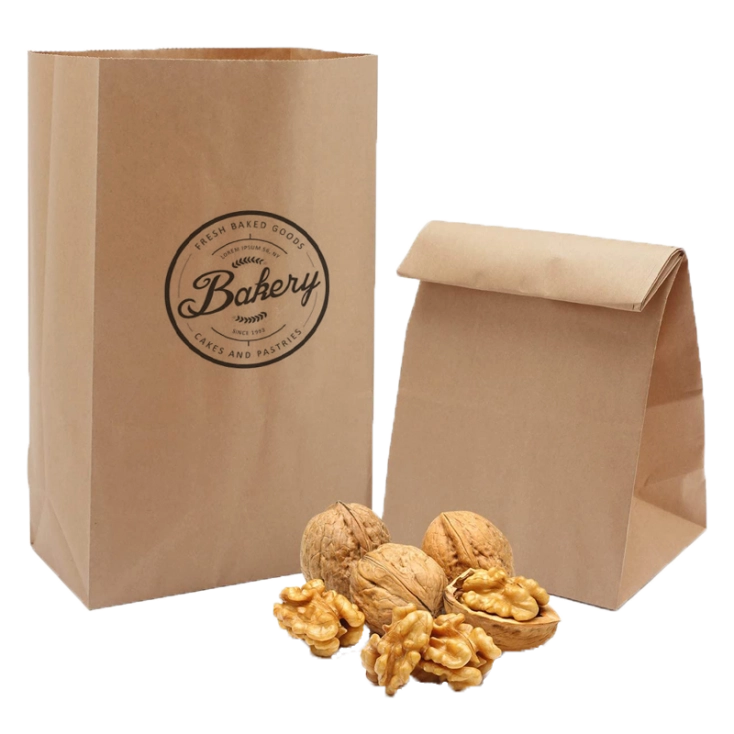
The flexibility of kraft paper allows for endless custom designs. From windowed bags that showcase the product inside to unique hexagonal boxes for pastries, it can be folded and glued into almost any shape. This versatility helps brands stand out on the shelf and creates a memorable "unboxing" experience for the customer.
Cost-Effectiveness and Scalability for Businesses
While "eco-friendly" often implies "expensive," kraft paper is surprisingly cost-competitive. Because the manufacturing process is highly efficient and uses renewable resources, it offers a sustainable solution that doesn't ruin the bottom line.
High-Speed Production Efficiency
The food industry operates on high volumes and thin margins. Modern machinery can produce thousands of kraft paper bags per hour. This scalability ensures that even large fast-food chains can make the switch from plastic without facing supply chain bottlenecks or exorbitant costs.
Reduced Waste Management Costs
Because kraft paper is easily flattened and recycled, it reduces the volume of trash that businesses have to pay to haul away. Furthermore, its lightweight nature (despite being heavy duty) helps reduce shipping costs compared to heavier glass or rigid plastic alternatives.
The Science of the "Kraft" Process: Why It Stays Eco-Friendly
To truly understand why kraft paper is sweeping the industry, we must look at how it is made. The "Kraft process" is more sustainable than traditional papermaking in several key ways.
Chemical Recovery and Reuse
In the Kraft pulping process, up to 90% of the chemicals used can be recovered and reused in the next cycle. This closed-loop system significantly reduces the environmental footprint of the factory. It also allows for the use of a wider variety of wood species, including fast-growing bamboo or pine, making it a more eco friendly choice for long-term resource management.
No Harmful Residues
Because it is made from natural wood pulp, unbleached kraft paper does not contain the harsh dyes or bleaches found in other paper products. When it eventually breaks down, it returns to the earth without leaving behind microplastics or toxic chemicals. This makes it the ultimate bio-degradable solution for the food industry.
Future Trends: Smart and Active Kraft Packaging
As we move toward the late 2020s, kraft paper is getting "smarter." We are seeing the rise of "active" packaging that does more than just hold food.
Extending Shelf Life
Researchers are developing kraft paper infused with natural antimicrobial agents like cinnamon or oregano oil. These help to slow down food spoilage, reducing global food waste—a major sustainability goal.
Digital Integration
With the addition of QR codes or NFC tags printed directly onto the kraft paper, brands can provide customers with instant information about the food's origin, nutritional content, or recycling instructions. This transparency builds trust and deepens the connection between the consumer and the brand.
Conclusion
Kraft paper is not just a replacement for plastic; it is an upgrade. By offering a combination of heavy duty strength, waterproof capabilities, and a 100% bio-degradable profile, it solves the biggest headaches facing the food industry today. It satisfies the regulator, the business owner, and most importantly, the consumer. As technology continues to improve the versatility of this material, its dominance in our kitchens and restaurants will only grow.
FAQ
Q1: Is kraft paper really waterproof?
While untreated paper absorbs water, food-grade kraft paper is often treated with plant-based coatings or thin linings that make it waterproof and grease-resistant, perfect for soups and oily foods.
Q2: Can I recycle kraft paper if it has food on it?
If the paper is heavily soiled with grease or food scraps, it is better to compost it. Because it is bio-degradable, it will break down naturally. If it is clean and dry, it can go straight into the paper recycling bin.
Q3: What is the difference between brown and white bleached kraft paper?
Natural brown paper is unbleached and retains a rustic look. White bleached paper undergoes a treatment to remove the lignin, providing a bright surface for high-contrast printing while maintaining the material's strength.
About Rokin: Your Partner in Sustainable Packaging Innovation
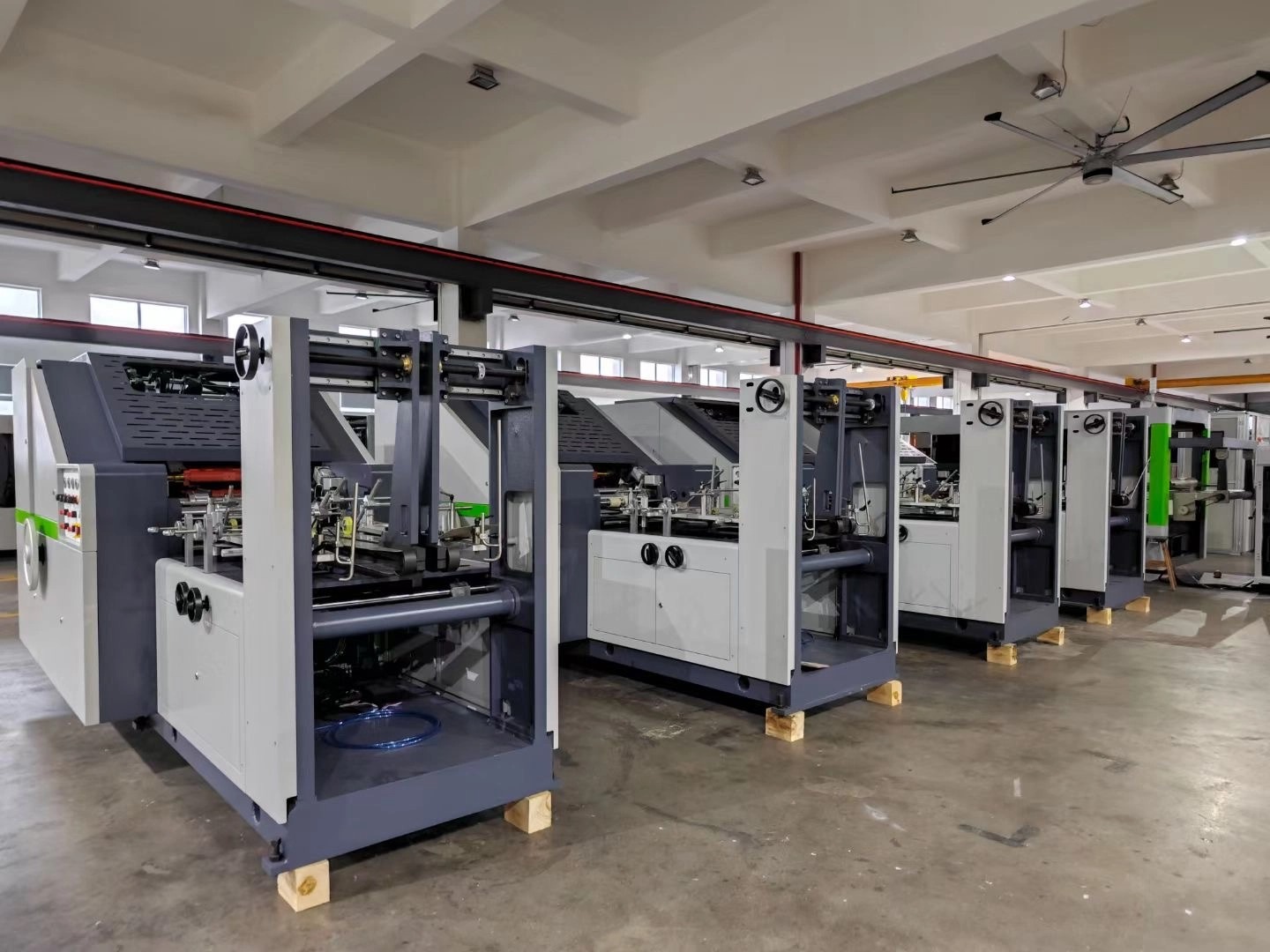
At Rokin, we don't just follow the trends—we build the machines that power them. As a leader in the B2B packaging sector, we operate a world-class manufacturing facility dedicated to high-speed, high-precision paper bag production. Our strength lies in our engineering; our machines are designed to handle everything from high GSM heavy duty paper to delicate white bleached varieties with unmatched efficiency.
We understand that for your business to thrive, you need reliability and scale. That is why our technology focuses on reducing labor costs while maximizing output—reaching speeds of up to 700 pieces per minute. We empower food brands and packaging suppliers globally to transition into the eco friendly era with confidence. From custom square-bottom bags to handle-equipped carriers, our machines provide the structural foundation for the kraft paper revolution.

