Introduction
Paper bags with handles appear everywhere, yet making a durable one is harder than expected.A paper bag with handles often fails because of weak structure or poor materials.In this article, you will learn practical steps, handle options, and production methods.We also explain how paper bag making machines from Wenzhou Rokin Machinery CO. Ltd. help produce strong, reusable bags efficiently.
Understanding the Structure of a Paper Bag with Handles
How a Paper Bag with Handles Works as a Load System
A paper bag works like a simple engineering system. Every part supports another part. When one element is weak, the entire bag fails. Understanding structure first helps avoid common mistakes later.
Core Components of a Paper Bag with Handles
A typical paper bag with handles includes a bag body, a bottom panel, handles, and reinforcement areas. The bag body forms the vertical walls and defines capacity. Its folds control how the bag opens and stands. The bottom panel supports the load and keeps items from falling through. Handles transfer weight from the bag body to the user’s hand. Reinforcement areas strengthen stress points where force concentrates, especially near handle attachments and bottom folds.
Why Handle Structure Is Critical for Strength and Comfort
Handle structure matters more than many beginners expect. Handles carry nearly all the load during use. When a bag is lifted, force pulls upward at two small handle points. Without reinforcement, paper fibers tear quickly. A well-designed handle structure spreads force across a wider area. It also improves comfort by keeping the bag balanced. Poor handle structure causes tearing, uneven carrying, and customer frustration.
Common Structural Failures Caused by Poor Design
Beginners often face similar problems. Handles rip off after light use. Bottom folds open when carrying groceries. Side walls look crooked after folding. Glue fails because the wrong adhesive was used or drying time was ignored. These problems usually come from rushing steps or skipping reinforcement. Good design principles help prevent them. Strength, appearance, and ease of assembly must stay balanced. Stress points should be reinforced early. Measurements must remain consistent. Testing small batches before scaling saves time and cost.
Materials Needed to Make a Paper Bag with Handles
Choosing the Right Paper for the Bag Body
Material selection determines whether a bag feels cheap or reliable. It also affects sustainability and cost.
Paper choice is the first decision. Kraft paper is the most common option because it offers good tear resistance and flexibility. It works well for grocery and retail bags. Coated paper suits premium or branded bags. It looks smooth and prints well but often needs reinforcement because coatings reduce fiber grip. Recycled paper supports eco-friendly goals and reduces cost. It works best for light to medium loads and bulk production.
Selecting Handle Materials Based on Load Requirements
Handle materials also matter. Twisted paper rope handles are common for grocery and shopping bags. They are strong and economical. Flat paper handles feel comfortable and are popular in retail packaging. Rolled paper handles offer a classic appearance and higher durability. Each handle type supports different weight levels and visual styles.
Adhesives and Reinforcement Materials That Improve Durability
Adhesives connect everything together. Water-based glue is widely used because it supports eco-friendly production and clean finishes. Hot-melt adhesive cures quickly and suits higher production speeds. Reinforcement patches, often made from thicker paper or board, strengthen handle and bottom areas. Choosing compatible paper, handle, and adhesive combinations greatly improves durability and reduces failure rates.
Step-by-Step Process to Make a Paper Bag with Handles
Measuring and Cutting Paper for Accurate Bag Dimensions
This section explains easy ways to create paper bags with handles in a logical flow. Each step builds on the previous one.
The process starts with measuring and cutting paper correctly. Bag height, width, and gusset size determine capacity and stability. Accurate measurements ensure the bag opens evenly and stands upright. Paper sheets are cut to size, and fold lines are scored to guide clean creases. Scoring helps paper fold without cracking or drifting off line.
Folding and Forming the Bag Body Correctly
Next comes folding and forming the bag body. The paper is folded into a tube shape, and overlapping edges are glued firmly. Even pressure ensures a strong seam. Side folds are created to allow expansion. Clean creases help the bag keep its shape during use.
Building a Strong Bottom to Support Weight
Building a strong bag bottom is critical. The bottom carries the load. Bottom edges are folded inward to form a flat base. Overlapping sections are glued securely. For heavier loads, a bottom reinforcement card is added. This simple step greatly improves durability and reuse potential.
Preparing Handles for Secure Attachment
Preparing handles for attachment comes next. Paper strips are cut or paper ropes are prepared. Handles are twisted, rolled, or folded depending on design. Ends are reinforced with small paper patches. Reinforcement prevents tearing at attachment points.
Attaching Handles and Ensuring Proper Alignment
Attaching handles securely requires precision. Handle positions are measured and marked evenly on both sides. Adhesive is applied to reinforced ends. Handles are pressed firmly onto the inner bag wall. Even spacing keeps the bag balanced during carrying. Drying time must not be rushed.
Drying, Pressing, and Avoiding Common Assembly Mistakes
Drying, pressing, and final shaping ensure long-term strength. Pressing helps adhesive bond fully. The bag is opened and shaped carefully. At this stage, problems like misaligned handles or weak glue points become visible.
Common assembly mistakes include uneven handle placement, weak glue coverage, and poorly folded bottoms. These errors reduce load capacity and shorten bag lifespan. Careful checks during each step prevent them.
Different Ways to Attach Handles to Paper Bags
Pasted Handle Structure for Standard Paper Bags
Handle attachment methods affect both strength and appearance.
Pasted handle structures are the most common for kraft shopping bags. Handles are glued directly to the inside of the bag. This method is simple, cost-effective, and suitable for bulk production.
Knotted Handle Structure for Premium and Gift Bags
Knotted handle structures are popular for gift bags and premium packaging. Holes are punched near the top, and ropes or ribbons are threaded and knotted inside. This structure offers higher strength and decorative appeal.
Grommet and Reinforced Handle Options for Heavy Loads
Grommet and reinforced handle options improve durability and appearance. Grommets strengthen hole edges and add a polished look. Reinforced handle designs spread force across a larger area, reducing tearing.
Choosing the Right Handle Structure for Your Application
Choosing the right handle structure depends on bag weight, paper type, and usage scenario. Light retail bags need simple pasted handles. Heavy grocery or luxury bags benefit from reinforced or knotted structures.
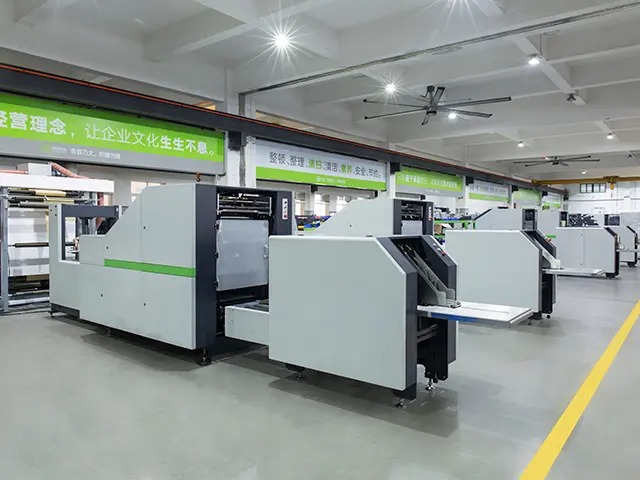
Manual vs. Machine Production of Paper Bags with Handles
Production method affects efficiency, consistency, and cost.Manual production suits small batches and DIY projects. It allows flexibility and customization. Startup cost remains low. However, it requires more labor and limits output speed. Consistency varies between batches.
Machine production suits mass production. Automated machines produce paper bags with handles faster and with consistent quality. Unit cost drops as volume increases. Most commercial producers rely on machines for bulk orders.
The table below compares both methods:
Aspect | Manual Production | Machine Production |
Startup Cost | Low | Higher |
Speed | Slow | Fast |
Consistency | Variable | High |
Labor Need | High | Low |
Scalability | Limited | Excellent |
When order volume grows and labor costs rise, switching to machine production becomes practical.
Quality Control and Finishing for Paper Bags with Handles
Quality control protects brand reputation and reduces returns.Handle strength testing checks pull resistance and load capacity. Bottom stability testing ensures the base holds weight without opening. Visual inspection catches glue marks, misalignment, and surface defects.Finishing improves appearance. Edges are trimmed for clean lines. Logos and graphics are printed. Matte or gloss coatings enhance texture and brand feel.
A simple quality checklist before use or sale helps ensure reliability and professional appearance.
Applications of Paper Bags with Handles
Paper bags with handles serve many industries. Retail and fashion stores use them for branding and customer experience. Grocery and food packaging requires higher strength and durability. Gift and promotional packaging values presentation and customization.Matching bag design to industry needs involves selecting correct size, handle type, and paper quality.
Sustainability and Market Demand for Paper Bags with Handles
Sustainability drives growing demand. Consumers prefer recyclable packaging. Regulations limit plastic use. Recyclable paper, water-based adhesives, and biodegradable inks improve environmental performance.Paper bags with handles support long-term cost control and brand image. Sustainable choices attract eco-conscious buyers and strengthen trust.
Conclusion
Learning how to make a paper bag with handles depends on solid structural design, suitable paper materials, and careful assembly at each step. When these elements work together, the finished bags are durable, reusable, and visually appealing for retail, grocery, and gift applications.
As demand for sustainable packaging continues to grow, paper bags with handles remain a practical and high-value solution. Wenzhou Rokin Machinery CO. Ltd. supports this demand by offering advanced paper bag making machines that integrate automatic forming, gluing, bottom folding, and handle attachment. These machines help businesses achieve stable quality, higher efficiency, and scalable production while meeting modern sustainability and packaging standards.
FAQ
Q: What is a paper bag with handles?
A: A paper bag with handles is a reusable bag designed for easy carrying.
Q: How do I make a paper bag with handles at home?
A: Use easy ways to create paper bags with handles, paper, glue, and reinforced handles.
Q: Why do paper bag with handles tear easily?
A: A paper bag with handles tears due to weak paper or poor handle bonding.
Q: What paper works best for a paper bag with handles?
A: Kraft paper works best for a paper bag with handles and daily use.
Q: Are paper bag with handles expensive to make?
A: A paper bag with handles is low cost, especially in bulk production.
Q: Can machines make paper bag with handles faster?
A: Yes, machines produce paper bag with handles faster and more consistently.

