Introduction
Designers today face a tough challenge: how to balance high-end aesthetics with environmental responsibility. Kraft paper has emerged as the ultimate solution. Once relegated to grocery bags, it is now a premium choice for branding, packaging, and industrial design. Its raw, organic appeal offers a "blank canvas" that communicates authenticity.
This guide explores how to master the unique colors and textures of kraft paper. We will look beyond the standard brown sheet to discover white bleached varieties, high GSM boards, and even waterproof treatments. Whether you want a rustic feel or a modern, minimalist look, understanding the technical properties of this bio-degradable material is the first step. Let's dive into the expert insights of designing with one of the world's most versatile eco friendly substrates.
Understanding the Natural Color Palette of Kraft Paper
The most recognizable feature of kraft paper is its earthy, brown hue. This color comes from the chemical wood pulping process that retains the natural lignin. For designers, this "wood-tone" provides an immediate emotional connection to nature. It tells the consumer the brand cares about the planet because it is bio-degradable.
However, the palette is not limited to just "brown." By adjusting the pulping process, we can achieve different shades:
Golden Brown: High-sulfate pulp that looks warm and inviting.
Cream/Tan: Semi-bleached options that offer a softer contrast for printing.
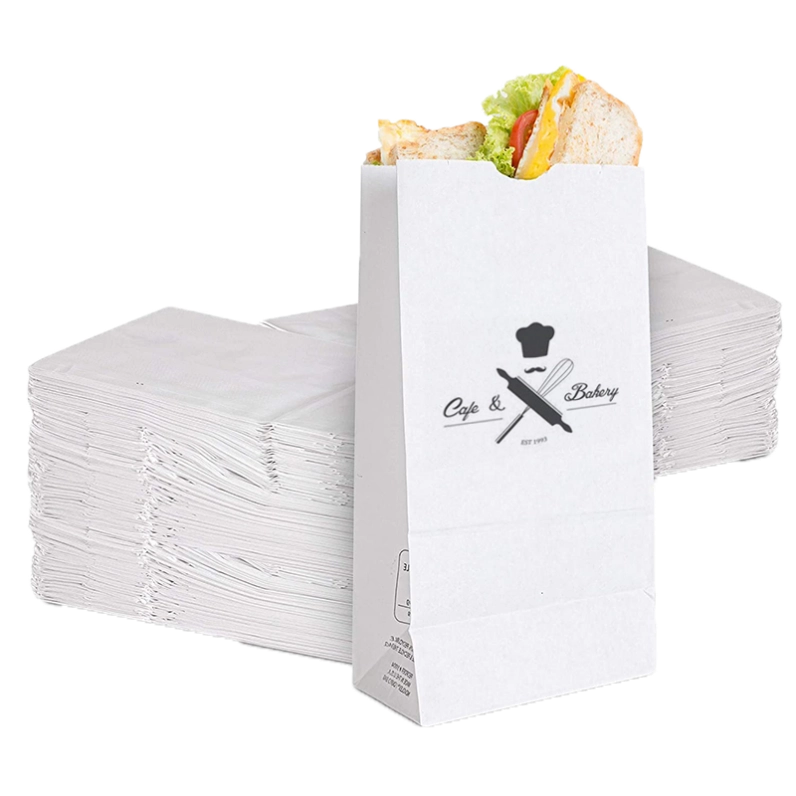
White Bleached: Pure white surfaces created through an oxygen bleaching process. White bleached kraft maintains the strength of the original fiber but provides a high-contrast background for vibrant CMYK printing.
When you design for kraft paper, you must account for how the base color affects your inks. Since the paper is porous, inks will "sink in," resulting in more muted tones. This isn't a flaw; it’s a texture-driven design choice that adds depth.
Mastering Texture: From Rough Fiber to High-Gloss Finishes
Texture is where kraft paper truly shines. It provides a tactile experience that plastic or laminated paper cannot match. The fiber density determines how the paper feels in the hand. A high GSM (Grams per Square Meter) paper feels like a premium board, while lower GSM versions feel light and flexible.
The Role of High GSM in Texture Design
A high GSM kraft board (typically 300g or above) allows for deep embossing and debossing. This creates a 3D effect on the surface. Because the fibers are long and strong, the paper won't tear easily under the pressure of a metal die. This makes it perfect for luxury business cards or heavy duty shipping boxes that need to look elegant but feel indestructible.
Coating and Treatments
You can also alter the texture through mechanical means. "Machine Glazed" kraft has one side that is smooth and shiny, while the other remains raw. This contrast is a powerful tool for packaging designers. You get the waterproof-like sheen on the outside with the rustic, grippy texture on the inside.
Engineering Strength: Heavy Duty Applications and High GSM
Design isn't just about looks; it's about performance. Kraft paper is famous for its "tear resistance." This strength comes from the "Kraft process" (which means "strength" in German). In industrial design, we often use heavy duty kraft for structural integrity.
| Application | Recommended GSM | Key Property |
| Luxury Shopping Bags | 120 - 170 GSM | Flexibility & Strength |
| Industrial Multi-wall Sacks | 70 - 100 GSM | Puncture Resistance |
| Product Display Boxes | 250 - 450 GSM | Heavy duty Rigidity |
| Envelopes & Mailers | 80 - 120 GSM | Light Weight |
When designing a heavy duty container, the grain direction of the kraft paper is vital. If you fold against the grain, the fibers might crack. Professional designers always align the grain with the primary load-bearing wall of the package. This ensures the box can hold significant weight without sagging, proving that eco friendly materials can compete with synthetic ones.
Overcoming the Porosity Challenge in Printing
One problem designers face with kraft paper is its high absorption rate. If you print a bright red logo directly on brown kraft, it might turn out dark maroon. To solve this, we use specific ink strategies.
The "White Underlay" Technique
To keep colors "pop" on a dark background, printers apply a layer of opaque white ink first. Then, they print the color on top. This creates a barrier between the porous fibers and the finish. This is especially useful when using white bleached accents on a natural brown base.
Foil Stamping and Metallic Inks
Because kraft paper has a matte, fibrous texture, metallic foils look incredible. The contrast between the dull, organic paper and the bright, reflective foil creates a "premium-natural" look. It highlights the high GSM quality of the stock. Since the paper is bio-degradable, choosing a certified eco-foil ensures the whole package remains environmentally friendly.
Innovative Waterproof and Protective Designs
Many people think paper and water don't mix. However, modern kraft paper can be engineered to be waterproof or at least highly water-resistant. This is achieved through thin bio-poly coatings or wax treatments.
Bio-degradable Waterproofing
We now have plant-based coatings that make the paper waterproof without ruining its bio-degradable status. This is a game-changer for the food and beverage industry. Imagine a coffee cup or a frozen food bag made of kraft paper that doesn't get soggy. The texture remains firm, and the heavy duty nature of the paper stays intact even in moist environments.
Protection in Logistics
For shipping, kraft paper is often laminated with a thin layer of woven scrim. This makes it a heavy duty wrap for steel coils or lumber. Even in these industrial uses, the design can be unique. We can print grids, safety instructions, or brand patterns across the surface, turning a protective wrap into a giant billboard.
The Psychology of Eco Friendly Aesthetics
Why do consumers love kraft paper? It represents honesty. In a world of shiny plastics, the raw texture of kraft suggests that the product inside is "real."
Communicating Bio-degradable Values
When a customer touches a high GSM natural kraft box, they perceive it as high value. It feels "crafted" rather than "mass-produced." By using eco friendly materials, you are designing a message. You don't need to print "we are green" in big letters; the paper says it for you.
Minimalist Design Trends
The trend of "less is more" works perfectly with kraft paper. Because the texture and color are already so rich, you need fewer graphics. A simple black ink line or a single embossed logo is often enough. This reduces ink usage, making the product even more bio-degradable and cost-effective.
Designing for Custom Shape and Form
Kraft paper is incredibly "foldable." Unlike plastic, it holds a crease perfectly. This allows for complex geometric designs in packaging.
Using High GSM for Structural Folds
With a high GSM board, you can create "living hinges." These are parts of the paper that fold back and forth without breaking. This allows for reusable packaging—like a box that turns into a clothes hanger or a display stand.
Die-Cutting and Windows
You can easily die-cut kraft paper to create windows. This shows off the product inside while maintaining the heavy duty frame. If you want to keep the whole thing eco friendly, you can use a cellulose-based clear film for the window instead of plastic. This ensures the entire unit remains bio-degradable.
Conclusion
Designing with kraft paper is about embracing its natural limitations and turning them into strengths. Its unique color provides a warm, organic backdrop. Its texture offers a tactile grip that screams quality. From white bleached aesthetics to heavy duty industrial applications, this material is a powerhouse of versatility.
By choosing the right high GSM and considering the waterproof or bio-degradable needs of your project, you create something that is both beautiful and responsible. Kraft paper isn't just a trend; it's the future of conscious design.
FAQ
Q1: Can I print full-color photos on natural kraft paper?
It is difficult. Photos will look very dark because the brown paper absorbs the ink. For photo-quality printing, it is better to use white bleached kraft or a "white underlay" technique.
Q2: Is high GSM kraft paper as strong as plastic?
In terms of "burst strength," heavy duty kraft paper is surprisingly close to some plastics. When layered or corrugated, it can support hundreds of pounds.
Q3: How long does it take for kraft paper to be bio-degradable?
In a home compost setting, untreated kraft paper usually breaks down within 2 to 6 weeks. If it has waterproof coatings, it may take longer depending on the coating type.
Our Manufacturing Power and B2B Solutions
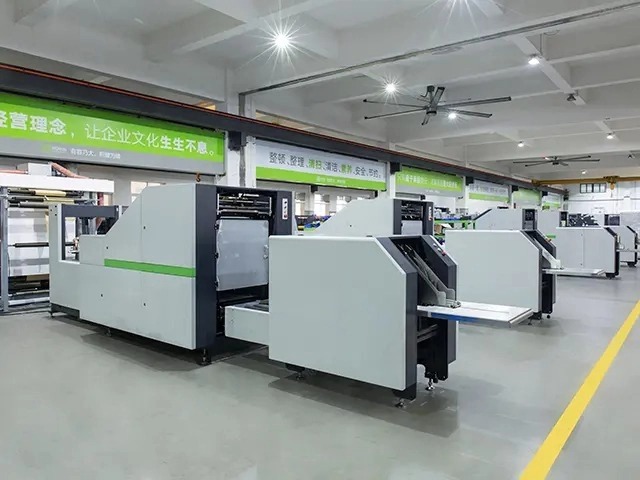
I have spent years observing the evolution of packaging machinery, and our company stands at the forefront of this industrial shift. We operate a world-class manufacturing facility dedicated to producing the high-precision machines that create these heavy duty kraft products. Our strength lies in our R&D; we don't just build machines, we engineer solutions for the B2B sector that prioritize efficiency and material savings.
From high GSM handle-sticking machines to high-speed white bleached bag lines, our equipment is designed to handle the unique textures of kraft paper without compromising speed. We understand that for our global partners, downtime is not an option. That is why we provide end-to-end technical support and eco friendly machine configurations that help factories reduce waste. When you work with us, you are partnering with a leader in the paper packaging revolution.

