Introduction
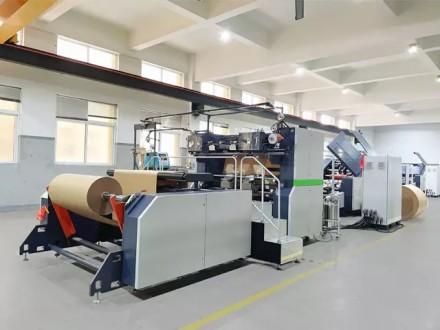
Paper Bags now appear everywhere, yet opinions remain divided.Are they truly sustainable, or just a better-looking plastic swap?This article breaks down the real pros and cons of Paper Bags.We also explain how Rokin Machinery’s Paper Bag Making Machine enables efficient, stable production—from side gluing to bottom forming—supporting quality and scale.
Paper Bags in Today’s Packaging Landscape
The Shift from Plastic to Paper Bags
The global move away from plastic bags has reshaped packaging markets. Plastic bag bans, taxes, and consumer backlash forced retailers to seek visible alternatives quickly. Paper Bags emerged as a familiar and socially accepted replacement.
From a transition standpoint, paper bags offered low friction. Consumers already understood how to use them. Retailers could adopt them without major operational changes. As a result, paper bags became the default “green” option in many regions.
Yet this rapid adoption often occurred without comprehensive lifecycle analysis. Many businesses replaced plastic with paper under regulatory pressure, not environmental optimization. This rushed shift created unintended consequences that deserve closer examination.
Consumer Expectations Around Eco-Friendly Packaging
Modern consumers increasingly associate packaging with brand values. They expect companies to demonstrate environmental responsibility through visible choices. Paper bags communicate sustainability instantly at checkout.
However, consumer expectations are often simplified. Many shoppers equate “paper” with “good” and “plastic” with “bad.” Few consider energy consumption, water use, or supply chain emissions. This perception gap places businesses in a complex position.
Companies must balance symbolic sustainability with measurable impact. Paper bags may satisfy customer expectations, but they do not automatically guarantee environmental efficiency.
Common Use Scenarios for Paper Bags
Paper bags are widely used in retail, food service, and takeaway environments. Grocery stores rely on reinforced paper bags for dry goods. Fashion retailers use them for branding and presentation. Restaurants adopt paper bags for short-distance food delivery.
Their usage patterns reveal a key insight. Paper bags perform best in controlled, dry, short-term applications. Outside these conditions, their limitations become more visible.
Why “Eco-Friendly” Does Not Automatically Mean “Problem-Free”
Paper bags often carry an eco-friendly label. However, sustainability depends on sourcing, production, usage, and disposal. Without alignment across these stages, environmental benefits weaken quickly.
Notes:
Eco-friendly packaging must be evaluated across its entire lifecycle, not only at the point of use.
Environmental Pros and Cons of Paper Bags
Paper Bags as Renewable and Recyclable Packaging
One of the strongest arguments for paper bags lies in their renewable origin. They are primarily made from wood pulp, a resource that can regenerate under responsible forestry management.
Recyclability further strengthens their appeal. In many regions, paper bags can enter existing recycling systems easily. When recycled properly, they support circular material flows and reduce landfill pressure.
However, recyclability does not guarantee recycling. Contamination, improper disposal, and food residue often prevent effective recovery.
Biodegradability Versus Real-World Waste Management
Paper bags are biodegradable under natural conditions. Unlike plastic, they break down without forming microplastics. This characteristic reduces long-term environmental persistence.
In practice, biodegradability depends on waste infrastructure. Paper bags disposed of in landfills may degrade slowly due to oxygen limitations. In mixed waste streams, their environmental advantage diminishes.
Carbon Footprint Compared with Plastic Bags
Paper bag production typically requires more energy and water than plastic bags. Pulping, bleaching, and drying processes contribute to higher carbon emissions per unit.
Plastic bags, although problematic at disposal, often have lower manufacturing emissions. This comparison highlights a critical trade-off. Paper bags reduce pollution persistence but increase production intensity.
(Data varies by region and production method; validation required.)
Deforestation Risks and Responsible Sourcing
Unsustainable sourcing remains a major concern. Large-scale demand for paper bags increases pressure on forest resources. Without certification systems, deforestation risks rise significantly.
Responsible sourcing programs, such as certified forestry initiatives, help mitigate this issue. However, not all suppliers comply equally.
Water and Energy Consumption in Production
Paper manufacturing consumes significant water volumes. It also requires substantial thermal and electrical energy. These inputs affect regions already facing water stress or high energy costs.
Reducing environmental impact depends heavily on production efficiency and recycled content usage.
Recycling Rates and Contamination Challenges
Paper recycling rates vary widely by country. Grease, food waste, and coatings reduce recyclability. Many paper bags fail to re-enter recycling streams due to contamination.
This challenge highlights the gap between theoretical recyclability and actual outcomes.
Environmental Benefits Depend on Sourcing, Usage, and Disposal
Paper bags offer environmental advantages only under specific conditions. Without proper sourcing, efficient production, and effective disposal, benefits erode rapidly.
Tips:
B2B buyers should request sourcing certifications and recycled content data before selecting paper bag suppliers.
Functional Advantages of Paper Bags
Strength and Load-Bearing Capacity
Modern paper bags have evolved far beyond their early fragile designs. Advances in kraft paper quality, reinforced bottoms, and improved handle construction allow many paper bags to safely carry moderate weights without tearing. These improvements make them suitable for everyday retail use, especially when the contents are dry and evenly distributed.
In grocery and takeaway settings, double-layer paper bags are increasingly common. This structure improves rigidity and helps prevent sudden bottom failure during short transport. While paper bags cannot match heavy-duty reusable bags, they now meet the basic load expectations of most retail customers.
Custom Sizes, Handles, and Designs
One major functional advantage of paper bags lies in their flexibility of design. Businesses can easily customize size, shape, paper thickness, and handle type to suit specific products. Flat handles, twisted paper handles, and reinforced grip areas support different weight levels and user comfort.
Beyond structure, paper bags also support high-quality printing and surface finishes. Logos, colors, and textures turn the bag into a visible brand asset. This design adaptability allows paper bags to serve both practical packaging needs and marketing goals at the same time.
Safety Advantages Over Plastic Bags
Compared with plastic alternatives, paper bags present fewer safety risks in daily environments. They are less likely to cause suffocation accidents and tear under excessive force, reducing potential hazards for children and pets.
In food-related use, paper bags also raise fewer concerns about heat-related chemical release. This perceived safety adds to their acceptance in food service and takeaway scenarios.
When Paper Bags Perform Well in Daily Use
Paper bags perform best in dry conditions, predictable load ranges, and short-distance handling. When used within these limits, they deliver reliable functionality while maintaining a clean, professional appearance.
Notes:
Paper bags are best suited for low-moisture environments and predictable load conditions.
Practical Limitations of Paper Bags
Moisture Sensitivity and Water Resistance
Moisture remains the most significant weakness of paper bags. Exposure to rain, condensation, or liquid leakage quickly reduces strength and causes deformation. This limits their reliability in food delivery, outdoor transport, or humid climates.
Although water-resistant coatings exist, they often compromise recyclability and increase costs. As a result, moisture protection creates a trade-off between performance and sustainability.
Limited Lifespan Compared to Reusable Bags
Paper bags are not designed for long-term reuse. Repeated folding, loading, and carrying accelerate wear at stress points, especially handles and bottom seams. Over time, this leads to tearing and reduced reliability.
While some paper bags can be reused briefly, their lifespan remains shorter than cloth or canvas alternatives, particularly under changing usage conditions.
Storage Bulk and Transportation Inefficiency
Paper bags require more storage space than plastic bags due to their thickness and rigidity. They also weigh more per unit, increasing transportation and handling costs for businesses managing large volumes.
These factors can reduce logistics efficiency, especially for companies operating across long supply chains.
Situations Where Paper Bags Underperform
Paper bags struggle in wet climates, long-distance transportation, and heavy-load applications. In such cases, alternative packaging solutions often provide better durability and cost control.
Cost and Economic Trade-Offs of Paper Bags
Production and Material Costs
Paper bag production requires more raw material per unit. Energy and water costs further increase manufacturing expenses.
These costs transfer downstream to retailers and consumers.
Cost Impact for Retailers and Consumers
Paper bags often cost two to five times more than plastic bags (market-dependent). For high-volume retailers, this difference affects margins significantly.
Some businesses absorb costs. Others pass them to consumers.
Price Trends as Demand Increases
Growing demand and improved production efficiency may reduce costs over time. However, paper bags remain a premium option currently.
Why Paper Bags Are Still Seen as a Premium Option
Higher costs, perceived sustainability, and branding value position paper bags as premium packaging solutions.
Brand Image and Consumer Perception
Sustainability Messaging Through Paper Bags
Paper bags visibly signal environmental responsibility. They enhance brand storytelling at the point of sale.
For many brands, this visibility justifies higher costs.
Consumer Trust and Eco-Conscious Behavior
Eco-conscious consumers reward brands using paper packaging. Trust increases when sustainability efforts appear authentic.
However, greenwashing risks remain if claims lack transparency.
Paper Bags as Marketing Assets
Printed paper bags act as mobile advertisements. They extend brand exposure beyond the store.
This marketing value offsets some economic disadvantages.
Sustainability Perception Versus Measurable Impact
Perception matters, but measurable impact determines long-term credibility.
Paper Bags Compared to Other Bag Options
Bag Type | Environmental Impact | Durability | Cost | Reusability |
Paper Bags | Medium | Medium | High | Low |
Plastic Bags | High | Low | Low | Low |
Cloth Bags | Low | High | High | High |
Paper bags sit between plastic and reusable bags. They offer short-term sustainability benefits but lack long-term durability.
No Single Bag Solution Fits Every Scenario
Packaging decisions require context. No single bag type solves all environmental and functional challenges.
Conclusion
Paper Bags now appear everywhere, yet opinions remain divided. Are they truly sustainable, or simply a better-looking alternative to plastic? For brands and retailers, the answer depends on real lifecycle impact, daily performance, and the economics behind large-scale production.
In this article, we explore the real pros and cons of Paper Bags, from environmental trade-offs to durability and cost. We also connect those insights to manufacturing reality—showing howWenzhou Rokin Machinery CO. Ltd. supports consistent, scalable paper bag output using its paper bag making machine series, which integrates key steps like side gluing, folding, paper cutting, bottom forming, and bag output in one streamlined process for efficient, stable operation and reduced labor demand.
FAQ
Q: What are the main advantages and disadvantages of Paper Bags?
A: Paper Bags are recyclable and biodegradable, but they cost more and resist moisture poorly.
Q: Why are Paper Bags considered eco-friendly packaging?
A: Paper Bags use renewable materials and decompose faster than plastic in most conditions.
Q: How do Paper Bags compare with plastic bags in daily use?
A: Paper Bags feel greener, but plastic lasts longer and handles moisture better.
Q: Are Paper Bags more expensive for businesses?
A: Yes, Paper Bags usually cost more due to material and production demands.
Q: When do Paper Bags perform poorly?
A: Paper Bags fail in wet, heavy-load, or long-term reuse situations.
Q: How should businesses decide on using Paper Bags?
A: Evaluate advantages and disadvantages of paper bags against real usage needs.

