Introduction
Have you ever wondered why that sturdy brown grocery bag or the sleek, minimalist box from your favorite online boutique feels so much tougher than regular paper? That material is kraft paper, and it is currently dominating the global packaging market. From heavy-duty industrial sacks to elegant white bleached gift wrapping, this material is everywhere. But it isn't just about the "look." Business owners and consumers alike are pivoting toward it because it solves the ultimate packaging dilemma: how to combine extreme strength with environmental responsibility.
In this comprehensive guide, we will explore the technical "why" behind this material's rise. We will look at its unique chemical process, its eco friendly credentials, and why its high GSM variants are replacing plastics in shipping. Whether you are a brand manager looking for sustainable solutions or a curious consumer, this expert insight will explain why kraft paper is the gold standard for modern packaging.
The Science of Strength: What Exactly is Kraft Paper?
At its core, kraft paper is a material produced using the "Kraft process." The word "Kraft" actually comes from the German word for "strength." Unlike standard papermaking, which often leaves high levels of lignin in the pulp, the Kraft process removes almost all of it. Lignin is the organic polymer that holds wood fibers together, but it also makes paper brittle. By removing it, we are left with pure cellulose fibers that are long, tough, and incredibly resilient.
This process allows for a variety of finishes. While we often think of it as brown, manufacturers also produce white bleached versions for high-end retail. These fibers are so strong that even a thin sheet of kraft paper can withstand significant tension and tearing. This makes it a heavy duty favorite for everything from cement bags to flour sacks. Because the wood pulp can come from a wider variety of trees—including resinous pines—the production is more efficient than traditional methods.
Why Kraft Paper is the Ultimate Eco Friendly Alternative
The world is moving away from single-use plastics, and kraft paper is leading the charge. Its popularity stems largely from its lifecycle. Because it is made from natural wood pulp and involves fewer chemical treatments than gloss-coated papers, it is a truly bio-degradable resource. It breaks down naturally within weeks, returning nutrients to the soil without leaving toxic microplastics behind.
Beyond being bio-degradable, it is also one of the most recyclable materials on the planet. Most kraft paper packaging can be recycled up to seven times before the fibers become too short to use. We see many brands now opting for unbleached versions because they require less chemical processing, further enhancing their eco friendly status. It tells your customers that your brand cares about the planet as much as they do.
| Environmental Metric | Kraft Paper | Standard Plastic Film | Glossy Coated Paper |
| Biodegradability | High (weeks) | Very Low (centuries) | Medium (months) |
| Recyclability | Excellent | Poor/Difficult | Low |
| Chemical Footprint | Low | High | High |
| Renewability | High (Trees) | Low (Petroleum) | High (Trees) |
The Versatility of High GSM and Heavy Duty Applications
When we talk about "GSM" (Grams per Square Meter), we are talking about thickness and weight. In the world of packaging, high GSM kraft paper is a game-changer. Standard office paper might be 80 GSM, but packaging materials often range from 120 to over 300 GSM. This density provides the structural integrity needed to protect fragile items during transit.
Structural Integrity in Shipping
Heavy duty cardboard boxes are essentially layers of high GSM kraft paper glued together. This layering creates a cushioning effect. It protects electronics, glassware, and heavy machinery. Even under pressure, the long cellulose fibers resist bursting. If you are shipping heavy items across the country, you need a material that won't give up when the delivery truck hits a bump.
Industrial Usage
In industries like construction, kraft paper is used for wrapping lumber or protecting floors during renovations. It handles abrasion better than almost any other paper product. They even use it to create multi-wall sacks that can hold 50 lbs of material without breaking. This durability is why it remains a popular packaging choice even as newer synthetic materials enter the market.
Modern Innovations: Waterproof and White Bleached Options
One common myth is that paper can't handle moisture. However, modern engineering has given us waterproof kraft paper. By applying thin, eco friendly coatings or using specific resin additives during the pulping stage, we create a barrier that repels water. This is vital for food packaging or shipping in humid climates where standard paper would sag and fail.
The Rise of White Bleached Kraft
While the natural brown look is "on-trend" for organic brands, some companies require a cleaner aesthetic. White bleached kraft paper offers the same strength as the brown version but provides a crisp canvas for vibrant, high-quality printing. It is the preferred choice for luxury boutiques and medical packaging where cleanliness and branding are paramount. It combines the heavy duty nature of the material with the elegance of high-end retail.
Comparative Advantages of Varieties
Natural Brown: Best for organic, rustic, and bio-degradable focused branding.
White Bleached: Ideal for cosmetics, pharmaceuticals, and high-contrast logos.
PE-Coated (Waterproof): Necessary for frozen foods, liquids, or outdoor industrial use.
Ribbed Kraft: Offers a textured feel for premium gift wrapping.
Cost-Effectiveness and Operational Efficiency
Choosing kraft paper isn't just an environmental or aesthetic choice; it is a financial one. Because the Kraft process is highly efficient and utilizes a wide range of wood sources, the raw material costs are relatively stable. It is lighter than wood or metal packaging, which significantly reduces shipping costs—a major factor for e-commerce businesses.
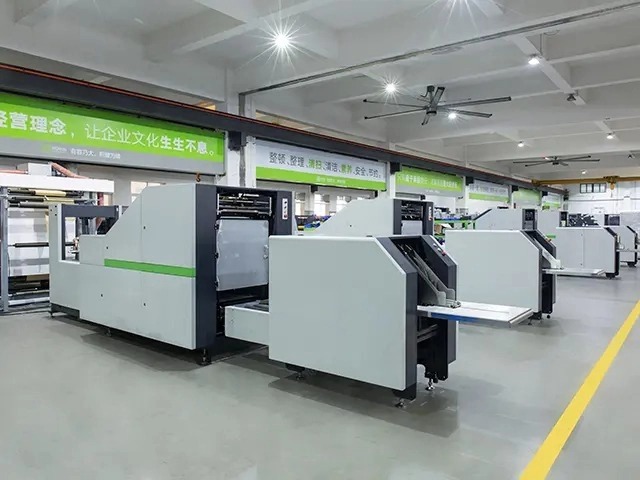
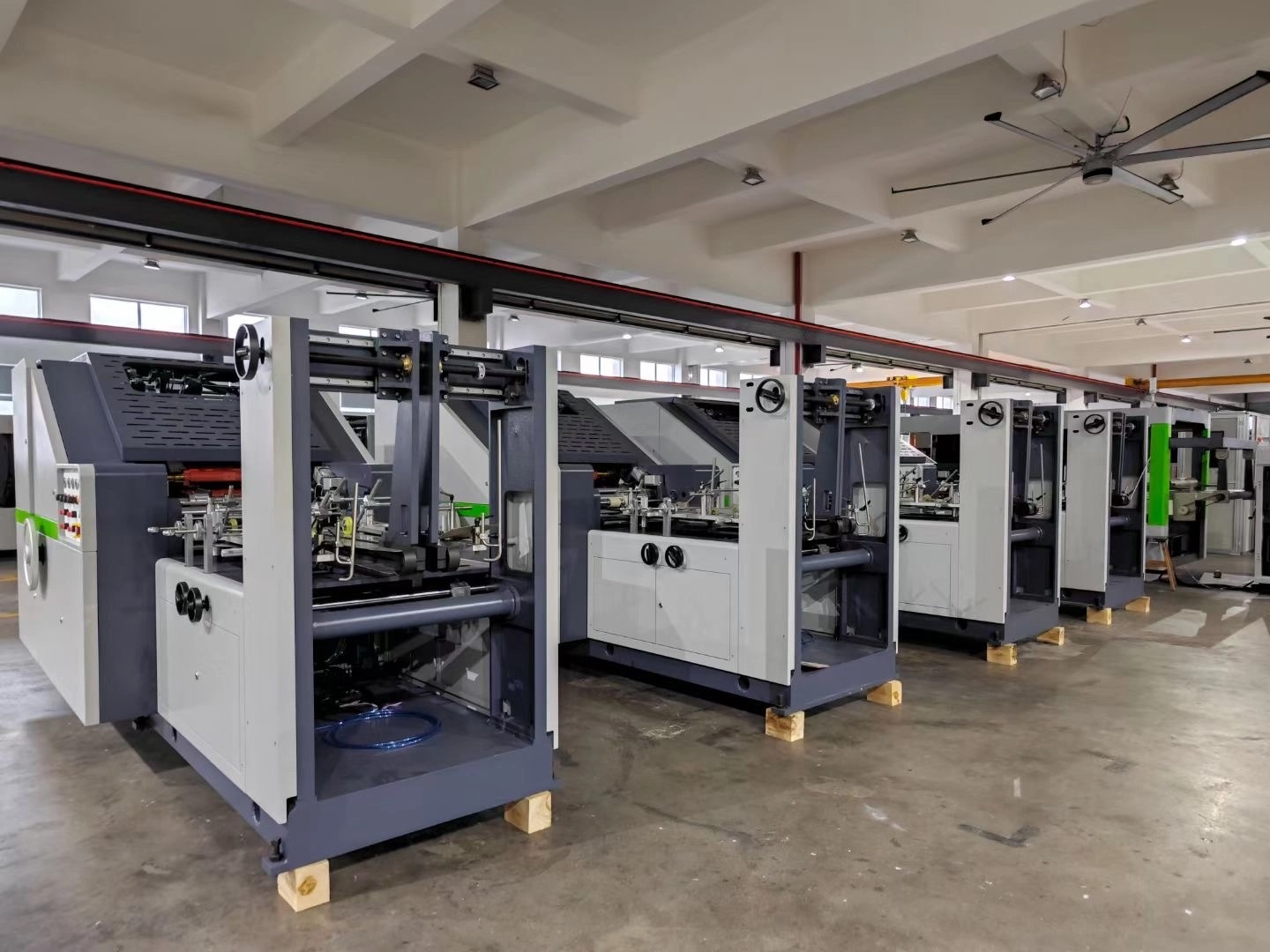
We also find that kraft paper is incredibly "machine-friendly." Whether you are using high-speed bag-making machines or automated box folders, it feeds through equipment smoothly without tearing. This reduces downtime and waste in the warehouse. Because it is available in massive rolls with consistent high GSM ratings, businesses can predict their packaging costs with high accuracy. It simplifies the logistics chain from the factory floor to the customer's doorstep.
How Kraft Paper Solves the Branding Problem
In a world saturated with plastic, the tactile feel of kraft paper communicates quality. It has a "weight" and a texture that plastic simply cannot replicate. For many businesses, the packaging is the first physical touchpoint they have with a customer. Using eco friendly materials creates an immediate positive psychological impact.
Customization and Printing
It takes ink beautifully. Whether you use water-based inks (to keep it bio-degradable) or soy-based options, the result is sharp and professional. Brands can create custom looks using simple stamps or complex multi-color presses. This versatility allows small businesses to look like major corporations without spending a fortune on specialized packaging molds.
The Unboxing Experience
The "unboxing" trend on social media has made packaging more important than ever. Customers love the sound and feel of tearing into a heavy duty kraft paper wrap. It feels like a gift. By choosing a white bleached or natural finish, you control the narrative of your brand before the customer even sees the product inside.
Deep Dive: Industrial and Retail Comparisons
To understand why kraft paper is a popular packaging choice, we must look at how it performs against its competitors in specific scenarios.
Kraft Paper vs. Plastic Film
Plastic is often cheaper to produce initially, but it carries a heavy environmental tax. Many regions now impose "plastic taxes" on businesses. Kraft paper avoids these costs. Furthermore, it provides better puncture resistance for sharp objects. While plastic might stretch, kraft paper holds its shape, ensuring the contents don't shift.
Kraft Paper vs. Standard Recycled Paper
Wait, isn't all paper recycled? Not exactly. Standard recycled paper often has very short fibers because it has been processed many times. This makes it weak. Kraft paper, even when it contains recycled content, maintains a higher strength profile due to the original length of its fibers. This is why you rarely see a heavy duty shipping box made entirely of low-grade recycled newsprint.
FAQ
Q: Is kraft paper really waterproof?A: Not in its raw state, but many manufacturers offer waterproof versions treated with a thin paraffin or polymer coating. This allows it to resist moisture while maintaining its structural integrity.
Q: Can I use kraft paper for food?A: Yes! It is widely used in the food industry. However, for oily or wet foods, we usually recommend a PE-coated or waterproof variant to prevent grease spots.
Q: What makes it better than regular brown paper?A: Strength. Regular brown paper is often just dyed recycled paper. Kraft paper is made using a specific chemical process that ensures it is heavy duty and tear-resistant.
Q: Is white bleached kraft paper less eco friendly?A: The bleaching process does involve more chemicals. However, many modern factories use oxygen-based bleaching, which is much more eco friendly than older chlorine-based methods.
Conclusion
The rise of kraft paper as the world's most popular packaging choice is no accident. It is the result of a perfect storm: the need for heavy duty protection, the global demand for eco friendly solutions, and the cost-efficiency required by modern logistics. Whether it is a bio-degradable bag or a high GSM shipping container, this material proves that we don't have to sacrifice strength to save the planet.
As a specialist in the packaging machinery industry, I have seen firsthand how the right materials can transform a business. My factory is at the forefront of this revolution. We provide high-performance bag-making machines and packaging solutions that handle kraft paper with unmatched precision. With years of experience serving B2B clients globally, we understand that our customers need reliability and speed. Our facility is equipped with the latest technology to ensure that your production line never falters. We pride ourselves on being more than just a supplier; we are a strategic partner for businesses looking to upgrade their packaging strength and sustainability. If you are ready to transition to heavy duty, sustainable packaging, we have the machinery and the expertise to make it happen.

