Introduction
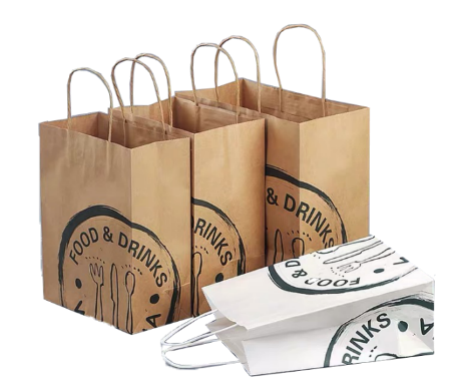
Takeout paper bags are a crucial element in the foodservice industry, offering functionality, durability, and branding opportunities. With the demand for efficient, high-quality paper bags, Rokin Machinery provides advanced paper bag making machines, ideal for producing various types of food paper bags, including takeout bags with both twisted and flat handles.
The size of your takeout paper bag directly affects food preservation, customer experience, and operational efficiency. Rokin's state-of-the-art machines streamline the process, producing bags efficiently while meeting specific size requirements.
In this article, you will learn about various takeout paper bag sizes and how Rokin’s paper bag making machines can help you choose and produce the right size for your business needs.
Understanding the Different Sizes of Takeout Paper Bags
Standard Takeout Paper Bag Sizes
Takeout paper bags come in a range of sizes, each designed to hold specific food orders. Here are some common sizes:
Bag Size | Dimensions (inches) | Common Uses |
Small | 5 x 3 x 9 | Pastries, sandwiches, snacks |
Medium | 8 x 4.75 x 10.5 | Single meals, drinks, side dishes |
Large | 10 x 5 x 13 | Family meals, multiple boxes |
Extra-Large | 12 x 7 x 17 | Bulk orders, catering trays |
These sizes allow businesses to cater to various meal types and ensure the contents remain stable and secure during transit.
Customizable Sizes for Specific Needs
Custom takeout paper bags provide the flexibility to tailor sizes to specific business needs. Customization not only enhances the visual appeal but also contributes to:
Branding opportunities: Custom bags can display logos, colors, and unique designs, boosting brand visibility.
Food preservation: Bags can be tailored to provide the right amount of space to prevent crushing or spilling.
Customer experience: A well-designed bag ensures the food stays intact and visually appealing.
Custom sizes help create a unique packaging experience, contributing to customer satisfaction and brand recognition.
Why Size Matters for Takeout Paper Bags
Choosing the correct size for your takeout paper bags impacts:
Food preservation: The right-sized bag keeps food containers upright and stable, reducing spills and maintaining food temperature.
Operational efficiency: Well-fitting bags streamline packing and reduce confusion during peak hours.
Sustainability: Avoiding oversized bags helps reduce waste and saves on material costs, contributing to a more eco-friendly operation.
Common Mistakes When Choosing Bag Size
Many businesses make the mistake of choosing bag sizes without considering the actual size of the food containers. This can result in poorly packed orders, wasted material, and dissatisfied customers. Always measure your containers and ensure the bag size provides a snug fit.
How to Choose the Right Takeout Paper Bag Size for Your Food
Consider the Type of Food
Different food items require different bag sizes. For example:
Light snacks (sandwiches, pastries): Small bags (5 x 3 x 9 inches) work well.
Meals with multiple containers (burger boxes, salads): Medium bags (8 x 4.75 x 10.5 inches) are perfect.
Family-sized orders (catering platters, large pizza boxes): Large bags (10 x 5 x 13 inches) ensure everything fits securely.
Packaging Options: Bags vs. Boxes
While paper bags are great for holding a variety of items, certain foods like pizza or foods that could leak (soups, stews) require boxes for extra protection. For mixed items, a bag with a sturdy base and gusset is ideal for holding multiple containers.
Food to Paper Bag Ratio
To ensure your food doesn’t shift or get crushed, match the size of the food container with the bag dimensions. If the bag is too big, the food will move around; if it’s too small, the items might spill.
Practical Tips for Sizing Bags for Takeout
Measure the food containers: Always know the width, depth, and height of your most common containers.
Leave space for branding: A little extra room prevents crumpling and offers space for thank-you cards or promotional messages.
Test before ordering: Always try out sample bags before placing a bulk order to ensure the fit is right.
Takeout Paper Bag Size and Its Role in Sustainability
Eco-friendly Paper Bag Options
Sustainability is a key factor in selecting takeout paper bags. Look for options that are:
Biodegradable: Bags made from kraft or recycled paper are compostable.
Recyclable: Choose paper bags that can be recycled, contributing to waste reduction.
Sustainably sourced: Opt for bags certified by organizations like the FSC to ensure that the paper comes from responsible sources.
Reducing Waste with Proper Sizing
Choosing the right bag size can significantly reduce material waste. By selecting bags that are just the right size for your food orders, you ensure that you are not overusing packaging. This approach reduces costs and supports your business’s environmental initiatives.
The Future of Sustainable Takeout Paper Bags
The future of paper bags is evolving with new innovations, such as:
● Water-based coatings: These coatings protect food from grease and moisture without relying on harmful chemicals.
● Smaller carbon footprint production: Sustainable practices in the paper manufacturing process are becoming more common, reducing environmental impact.
How to Transition to Eco-friendly Paper Bags
Shifting to eco-friendly takeout paper bags involves:
1. Choosing biodegradable or recyclable bags.
2. Partnering with suppliers that prioritize sustainable materials.
3. Educating customers about the environmental benefits of using eco-friendly packaging.
The Best Takeout Paper Bag Sizes for Different Businesses
Restaurants and Cafes
Small bags: Ideal for light items like pastries or sandwiches.
Medium bags: Perfect for lunch sets or combo meals.
Large bags: Used for large group orders or family meals.
Fast Food Chains
Fast food chains often need high-volume packaging. Medium to large-sized bags (8 x 4.75 x 10.5 inches or 10 x 5 x 13 inches) are common, as they can fit a burger, fries, and drink. These sizes are easy to stack and transport.
Specialty Food Shops (Bakeries, Delis, etc.)
For bakeries, smaller sizes (5 x 3 x 9 inches) work well for individual pastries, while larger bags (12 x 7 x 17 inches) are better suited for catering orders. Custom sizing ensures food stays fresh and presentable.
Case Studies: Takeout Paper Bag Sizing in Action
A bakery that started using custom-sized bags for pastries reported a 20% reduction in bag waste, contributing to sustainability and cost savings.
What to Look for in Quality Takeout Paper Bags
Paper Weight and Durability
The durability of a takeout paper bag depends on its weight (measured in GSM). For heavier meals, a thicker paper (90-120 GSM) is necessary, while lighter meals can use thinner kraft paper. Strong paper ensures the bag can hold its contents without tearing.
Leak-Proof and Grease-Resistant Features
For greasy foods like fried items, grease-resistant paper is essential. These bags protect the contents from moisture, keeping both the food and the bag intact.
Branding and Customization Options
Custom branding adds value to takeout paper bags. Logos, messages, and vibrant colors enhance brand visibility. A well-designed bag not only protects food but also acts as a marketing tool.
Choosing the Best Supplier for Takeout Paper Bags
When selecting a supplier, ensure they provide:
Consistent quality: Choose suppliers who offer durable, well-constructed bags.
Customization: Check if they can print your logo or brand message.
Eco-friendly options: Look for recyclable or biodegradable paper bags.
How to Properly Store and Use Takeout Paper Bags
Proper Storage Techniques to Maintain Bag Quality
Store paper bags in a dry, cool place to prevent them from becoming brittle or damaged. Avoid stacking them in humid areas where they could absorb moisture.
Handling and Preparing Takeout Paper Bags for Use
Ensure that the bags are properly folded and aligned before use. Handling the bags gently and ensuring that the edges are intact reduces the chance of rips and tears.
Efficient Bag Usage in High-Traffic Environments
In high-volume settings like fast-food restaurants, it’s essential to train staff on efficiently using bags to avoid delays. Have bags pre-assembled to speed up service during peak hours.
Tips for Reducing Paper Bag Handling Costs
● Use bulk ordering: Purchase in bulk to reduce per-bag costs.
● Standardize sizes: Reduce inventory and operational complexity by sticking to a few standard sizes.
Conclusion
Choosing the right takeout paper bag size is essential for maintaining food quality, protecting your brand’s image, and enhancing customer satisfaction. Selecting the correct size helps businesses reduce waste, save on material costs, and improve operational efficiency.
Takeout paper bags are more than just packaging—they are a vital part of your brand’s presentation. Wenzhou Rokin Machinery CO. Ltd.provides advanced, high-performance paper bag making machines that help businesses produce durable, customizable bags efficiently, boosting both operational productivity and brand visibility.
FAQ
Q: What is the standard size for a takeout paper bag?
A: The standard size for a takeout paper bag typically ranges from 8 x 4.75 x 10.5 inches for medium meals.
Q: How do I choose the right size for a takeout paper bag?
A: Consider the type of food, packaging efficiency, and portion sizes when selecting the right takeout paper bag.
Q: Why does takeout paper bag size matter?
A: Proper takeout paper bag size ensures food preservation, better presentation, and improved operational efficiency.
Q: What is the best takeout paper bag size for a family meal?
A: Large takeout paper bags, around 12 x 7 x 17 inches, are perfect for family meals or bulk orders.
Q: How can customizable takeout paper bags improve branding?
A: Customizable takeout paper bags allow businesses to add logos, designs, and messages, enhancing brand visibility.
Q: How can I prevent waste with takeout paper bags?
A: Choosing the right takeout paper bag size reduces waste by preventing overuse of packaging materials.

