Are you using the right cardboard slitting machine for your packaging needs? Choosing the right one can drastically improve efficiency and reduce costs. In the packaging industry, a cardboard slitting machine is essential for cutting large sheets into precise sizes.
In this article, we'll explore the different types of slitting machines, their key features, and how to select the best one for your business. You'll learn how to enhance productivity and reduce waste while achieving high-quality cuts.
Understanding the Cardboard Slitting Machines
Definition and Purpose
A cardboard slitting machine is used to cut large sheets or rolls of cardboard into specific sizes, primarily for packaging purposes. It plays a crucial role in industries like e-commerce, logistics, and manufacturing, where precision and efficiency are key in creating packaging materials such as boxes, inserts, and dividers.
How Does a Cardboard Slitting Machine Work?
The process begins by feeding the cardboard into the machine, which then cuts it into the desired size. Here's a step-by-step breakdown:
1. Feeding: The cardboard is placed onto the conveyor system, which moves it towards the cutting area.
2. Cutting: Once in position, the cutting blades, either circular or straight, slice through the material according to the settings selected.
3. Guiding: A guiding system ensures the cardboard is aligned correctly before it passes through the cutting blades.
Key Components Involved in the Slitting Process
● Feeding System: The conveyor or pneumatic system that pushes the cardboard into the machine for cutting.
● Cutting Blades: The blades that do the actual cutting, with sharpness and alignment being critical for precision.
● Control Panel: Operators use the control panel to adjust the settings for cutting width, speed, and blade depth.
● Guiding Systems: These ensure that the cardboard remains aligned properly throughout the cutting process, preventing misalignment or skewing during operation.
Why Choosing the Right Cardboard Slitting Machine Matters for Packaging
Cardboard slitting machines play a crucial role in the packaging process. They are responsible for cutting large sheets of cardboard into custom sizes, making them ideal for packaging boxes, dividers, and inserts.
The right slitting machine directly impacts packaging efficiency and precision. By adjusting cutting speeds and blade types, these machines create precise, uniform cuts, reducing the need for manual adjustments.
Choosing the right machine can drastically improve productivity. Automatic machines, for example, reduce human intervention, allowing for faster production with fewer errors compared to manual machines.
Slitting machines also help reduce material waste. By ensuring precise cuts, they optimize cardboard use, leading to less scrap material and improved consistency in packaging. This not only cuts costs but also supports more sustainable practices.
Types of Cardboard Slitting Machines and Their Applications
When choosing a cardboard slitting machine for packaging, it's important to understand the different types available:
● Manual Cardboard Slitting Machines
Manual slitting machines are ideal for small businesses or low-volume packaging needs. They require the operator to adjust settings and feed the cardboard manually. These machines are cost-effective, easy to operate, and suitable for businesses that don't need high-volume production. Manual machines are perfect for custom, low-quantity orders where flexibility and simplicity are more important than speed.
● Semi-Automatic Cardboard Slitting Machines
Semi-automatic machines offer a balance between manual and automatic operations. The operator still feeds the cardboard, but the machine handles the cutting. These machines are great for medium-scale operations that need more efficiency but don't require full automation. Semi-automatic slitting machines help speed up the production process without the complexity or cost of fully automated machines. They are suitable for businesses that deal with moderate volumes of packaging and need a quicker turnaround time than manual machines can provide.
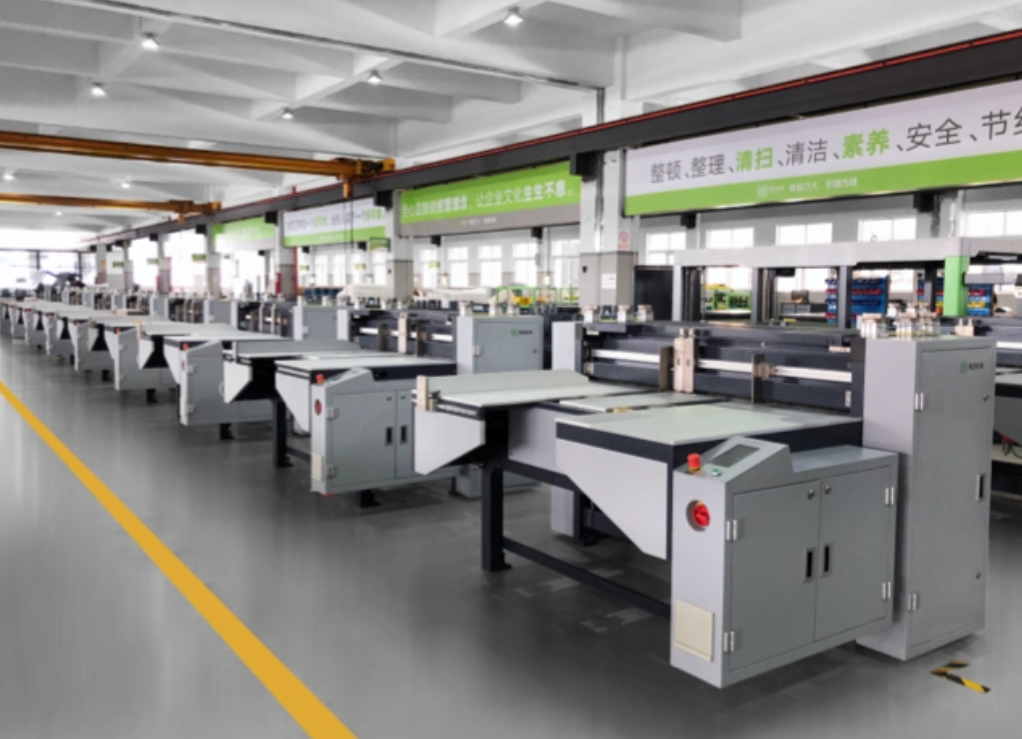
Fully automatic slitting machines are designed for large-scale production. They automate the entire process, from feeding the cardboard to cutting and stacking, making them ideal for high-volume packaging. These machines are fast, precise, and efficient, significantly improving production output and reducing labor costs. They operate without the need for constant supervision, increasing efficiency in environments that require a high throughput. With fully automated systems, the production process becomes seamless, ensuring consistent quality and minimal human error.
Which Type is Best for Small Businesses or Low-Volume Packaging?
For small businesses or low-volume packaging, manual or semi-automatic machines are the best choice. Manual machines are more affordable and simpler to use, making them ideal for smaller operations with limited budgets. Semi-automatic machines are slightly more expensive but offer greater efficiency and are more suitable if the business grows and requires faster production. These machines provide a balance between cost and performance, allowing small businesses to improve their output without significant investments.
Which Type Works Best for Large-Scale or High-Volume Packaging?
For large-scale operations, fully automatic cardboard slitting machines are the best. These machines are specifically designed for high-volume production environments where speed, efficiency, and consistency are critical. Fully automatic machines handle continuous production, allowing businesses to cut large quantities of cardboard quickly without sacrificing quality. The automation ensures precise cuts and reduces human intervention, leading to faster turnaround times and lower labor costs. With features like automatic stacking and rewinding, these machines are perfect for businesses that operate at a high capacity and need to maintain a steady workflow.
How to Choose the Right Cardboard Slitting Machine for Your Packaging Needs
Choosing the right cardboard slitting machine depends on several factors. Here's how to assess your needs and make the best choice for your business.
How to Assess Your Packaging Needs
Start by evaluating the specific requirements of your packaging. Key factors to consider include:
● Material type: Are you working with corrugated cardboard, honeycomb cardboard, or other materials? Each type may require different cutting methods.
● Production capacity: How much cardboard do you need to cut per day? Higher-volume businesses need more automated machines for efficiency.
● Custom cutting requirements: Will you need to make custom cuts, such as handles or lid slots? This will affect the machine’s capabilities.
Understanding the Required Cutting Size and Speed for Your Packaging Projects
Different projects require different cutting sizes and speeds. It's essential to know the dimensions and quantities of cardboard you will be working with. For instance:
● Cutting size: Smaller batches may only need a simple slitting machine, while larger or custom packaging projects may require more precision.
● Cutting speed: Higher-speed machines are best for large volumes, but they may not be necessary for smaller operations.
How Does Material Thickness Affect Your Choice of Slitting Machine?
Material thickness is a critical factor. Thicker materials like double-wall or triple-wall board require machines with more robust cutting blades and stronger motors. Machines designed for heavier materials tend to be more expensive but offer better durability.
How to Choose Machines Based on the Type of Cardboard
The type of cardboard you're working with will determine the kind of slitting machine you need:
● Corrugated board: Standard slitting machines can handle most types of corrugated cardboard.
● Honeycomb cardboard: This material requires specialized blades to prevent jamming and ensure smooth cuts.
● Paperboard: Thinner materials may require less power but need more precision for clean cuts.
What is the Cost Comparison Between Different Slitting Machines?
Here's a general breakdown of costs:
● Manual machines: Less expensive, typically ranging from $1,000 to $10,000, but require more labor.
● Semi-automatic machines: Mid-range, priced between $10,000 and $30,000, offering a balance of efficiency and affordability.
● Fully automatic machines: High-end models that range from $20,000 to over $100,000. These are ideal for large-scale operations.
Long-Term Cost Considerations: Energy Efficiency, Maintenance, and Blade Life
In addition to the initial purchase cost, consider the following long-term factors:
● Energy efficiency: Automatic machines typically consume more power, but they also increase throughput, reducing per-unit energy costs.
● Maintenance: Fully automated machines may have higher maintenance costs due to their complexity, while manual machines are easier to maintain but require more labor.
● Blade life: Blade replacement costs can add up over time. Machines with durable, long-lasting blades will save you money in the long run.
By carefully assessing your packaging needs and considering these factors, you can choose the cardboard slitting machine that best fits your business requirements.
Common Issues with Cardboard Slitting Machines and How to Avoid Them
Cardboard slitting machines are essential for efficient packaging, but they can experience some common problems that affect production. Here's a look at these issues and how to prevent them.
What Are the Common Problems with Cardboard Slitting Machines?
● Misalignment: When the cardboard is not properly aligned, it can lead to uneven cuts or jamming, affecting the consistency of the final product.
● Blade Dullness: Over time, blades lose their sharpness, leading to poor cutting quality and more frequent jams.
● Feeding Issues: Problems like inconsistent feeding, such as cardboard not moving smoothly through the machine, can cause miscuts and slow down production.
How Can These Problems Be Avoided?
● Regular Maintenance Schedules: To prevent misalignment and blade issues, it’s important to regularly inspect and adjust components. Schedule periodic blade checks and ensure the feeding mechanism is calibrated properly.
● Importance of Routine Cleaning and Lubrication: Keep the machine clean and lubricated to reduce wear on parts. Regularly cleaning out debris and applying lubricant to moving parts ensures smooth operation and extends the life of the machine.
By staying on top of maintenance tasks and addressing these common issues proactively, you can keep your slitting machine running efficiently and maintain high production quality.
Conclusion
When choosing the best cardboard slitting machine, consider factors like material type, production capacity, and cutting precision. For small businesses, manual or semi-automatic machines work well, while fully automatic machines suit high-volume operations. Assess your production needs and explore different models to find the right fit for your business. ROKIN MACHINERY has years of experience in designing and manufacturing customized Cardboard Slitting Machine for a variety of industries . Therefore, feel free to contact us anytime with your inguiries.
FAQ
Q: What is the maximum width of cardboard a slitting machine can handle?
A: The maximum width depends on the machine model. Smaller machines typically handle widths up to 36 inches, while larger, industrial machines can process widths exceeding 100 inches.
Q: How often should the blades of a cardboard slitting machine be replaced?
A: Blade replacement depends on the frequency of use and the type of cardboard being cut. Typically, blades should be inspected every 2-6 months and replaced when they become dull or damaged.
Q: Can a cardboard slitting machine be customized for specific cutting requirements?
A: Yes, slitting machines can be customized with adjustable blade systems, different feeding mechanisms, and varied cutting widths to meet specific material and packaging needs.
Q: Are there any environmental benefits to using cardboard slitting machines?
A: Yes, slitting machines help reduce material waste by making precise cuts, optimizing cardboard usage, and minimizing offcuts. They also improve energy efficiency, contributing to more sustainable production practices.

